Introduction
When it comes to woodworking, one of the most critical steps is gluing wood pieces together. However, a common question arises: should you use clamps or weights when applying glue? This guide will help you understand the differences, advantages, and disadvantages of each method, so you can choose the best one for your project.
Understanding the Basics of Wood Glue
Before diving into the tools you can use, it’s essential to understand the role of glue in woodworking. Wood glue is designed to bond two pieces of wood together, creating a strong joint. To achieve this, you need to apply pressure to the glued surfaces while the glue dries. This is where clamps and weights come into play.
Why Pressure Matters
Applying consistent pressure during the glue curing process ensures that the glue fills any gaps between the wood pieces. Insufficient pressure can lead to weak joints, which could compromise the overall integrity of your furniture project. Now, let’s explore the two primary methods of applying this pressure.
Method 1: Using Clamps
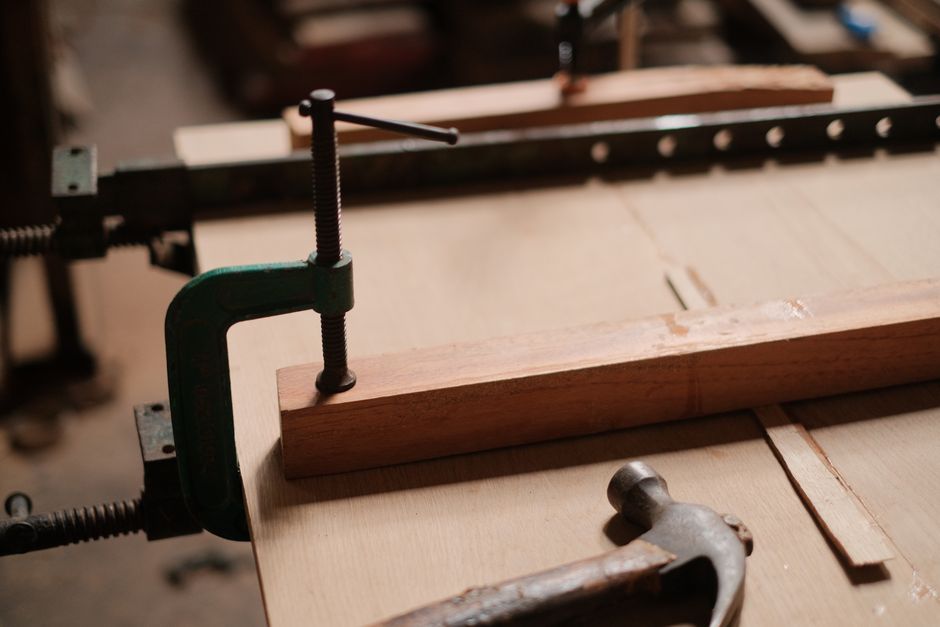
Clamps are a staple in any woodworking shop. They come in various types, including:
- Bar Clamps: Long clamps ideal for large projects.
- Pipe Clamps: Customizable clamps that can be adjusted for different widths.
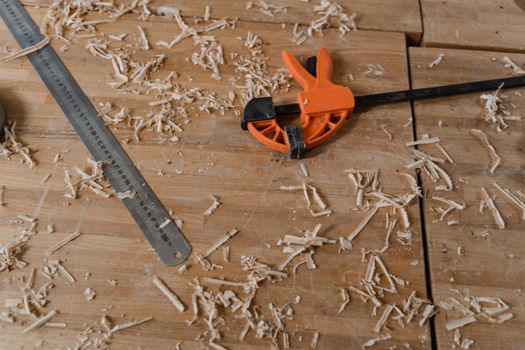
- Spring Clamps: Quick and easy to use for smaller tasks.
- Corner Clamps: Helps with the precise alignment of corners.
Advantages of Using Clamps
- Uniform Pressure: Clamps provide even pressure across the entire joint, which is crucial for a strong bond.
- Adjustable Pressure: You can tighten or loosen clamps to achieve the desired amount of pressure.
- Versatility: Clamps can be used for various woodworking projects, not just gluing.
Disadvantages of Using Clamps
- Setup Time: Clamps can take time to set up, especially for larger projects.
- Cost: A good set of clamps can be an investment, especially if you need multiple sizes.
Method 2: Using Weights
Weights can be a simple alternative to clamps. You can use various objects as weights, such as:
- Heavy books
- Bricks
- Concrete blocks
- Weights from a gym
Advantages of Using Weights
- Ease of Use: Simply place weights on top of the glued pieces, and you’re done!
- Cost-Effective: You can use items you already have at home, reducing the need for additional tools.
- Quick Setup: Weights require little to no setup time, making them convenient for smaller projects.
Disadvantages of Using Weights
- Uneven Pressure: Weights may not apply even pressure across the surface, which can lead to weaker joints.
- Limited Control: You cannot adjust the pressure as easily as you can with clamps.
- Risk of Movement: If not secured properly, weights can shift during drying, misaligning your pieces.
Choosing the Right Method for Your Project
Deciding between clamps and weights depends on your specific project requirements. Here are some tips:
- For Large Projects: Use clamps to ensure even pressure across large surfaces, such as tabletops.
- For Small Projects: Weights are often sufficient for smaller items, like picture frames or small boxes.
- For Precision Joints: If your project requires precise alignment, clamps are generally the better choice.
- For Quick Repairs: Weights can be a fast and effective solution for quick fixes.
Conclusion
In summary, both clamps and weights have their advantages and disadvantages when it comes to gluing wood pieces. For beginners, it’s often beneficial to invest in a few quality clamps as they provide better control and stronger joints. However, weights can be a handy alternative for quick projects or repairs.
If you're looking for detailed furniture plans that incorporate these techniques, consider checking out Ted Woodworking. Their extensive library can provide guidance tailored to your woodworking journey.
FAQ
1. Can I use both clamps and weights together?
Yes, using both can provide added security. You can use clamps for even pressure and place weights on top for additional pressure.
2. How long should I leave clamps on?
Generally, it’s best to leave clamps on for at least 30 minutes to 1 hour, but curing time can vary depending on the glue used. Always check the manufacturer's recommendations.
3. Are there any alternatives to clamps and weights?
Yes, you can use rubber bands, straps, or even a DIY clamping system made from scrap materials to apply pressure while gluing.
📚 Related Articles
🔨 Want 16,000+ Woodworking Plans?
Get instant access to step-by-step plans with blueprints and cut lists.
Get Instant Access →