Understanding Time Estimates in Woodworking
When embarking on a woodworking project, whether you are a seasoned woodworker or a novice, you’ll often come across the question: should I consider time estimates in my woodworking project plans? The answer is a resounding yes. Time estimates not only help in planning your workflow but also play a significant role in budgeting, especially if you are focused on cost-saving strategies.
The Importance of Time Estimates
Time estimates serve multiple purposes in woodworking:
- Project Planning: Knowing how long each step of your project will take allows for better organization and scheduling.
- Cost Management: Understanding the time investment can help you assess labor costs, especially if you are hiring help.
- Material Selection: The time it takes to complete a project may influence the type of materials you choose, allowing you to find affordable alternatives that can be completed within your timeframe.
- Skill Development: By estimating time for different tasks, you can identify areas where you need to improve your skills, thus making your future projects more efficient.
Budget-Friendly Planning
When working on a budget, time estimates become even more critical. Here are some tips on how to effectively integrate time estimates into your project plans:
1. Break Down the Project
One of the best ways to get accurate time estimates is to break your project down into smaller, manageable tasks. For example:
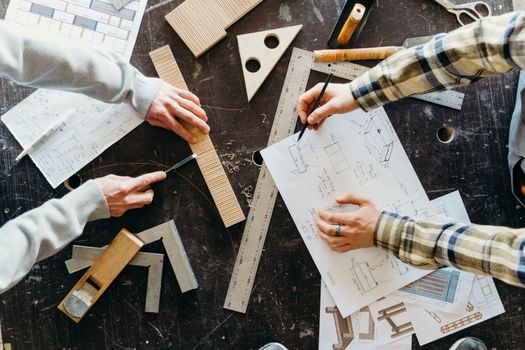
- Design and planning
- Material acquisition
- Cutting and shaping
- Assembly
- Finishing touches
By estimating the time required for each of these tasks, you can create a more realistic overall timeline.
2. Use Historical Data
If you have completed similar projects in the past, use that experience to inform your time estimates. This method not only saves time but also helps in setting realistic expectations.
3. Factor in Breaks and Setbacks
Don’t forget to account for breaks, interruptions, and potential setbacks. Things often don’t go as planned in woodworking, so adding an extra cushion to your time estimates will help keep your project on track.
Affordable Materials and Their Impact on Time
When considering time estimates, it’s also essential to think about the materials you plan to use. Choosing affordable materials can save you money, but it might also extend the overall timeline of your project if those materials require more preparation or finishing.
For instance, softwoods like pine are generally easier to work with and can be completed in less time compared to harder woods like oak or maple, which may require specialized tools or techniques.
4. Plan for Material Preparation
Not all materials are ready to use right out of the box. Some may require additional preparation, such as sanding, sealing, or staining. Make sure to include this time in your estimates.
5. Utilize Resources Like Ted Woodworking
When searching for project plans, consider using resources like Ted Woodworking. This platform offers a wide range of plans that often include time estimates for each project. By following these guidelines, you can save both time and money while ensuring you stay within your budget.
Setting Realistic Expectations
Time estimates are not just about how long a project will take; they are also about managing your expectations. If you set a timeline that is too ambitious, you run the risk of feeling overwhelmed, which can lead to cutting corners or abandoning the project altogether.
Instead, take a more measured approach:
- Be honest about your skill level and the complexity of the project.
- Consider your available tools and workspace.
- Account for your personal schedule and commitments.
By setting realistic timelines, you will enjoy the process of woodworking more and be likely to produce better-quality work.
Conclusion
In summary, considering time estimates in your woodworking project plans is crucial, especially when working on a budget. By breaking down tasks, utilizing historical data, and factoring in potential setbacks, you can create a realistic timeline that will help keep your project on track while ensuring you stay within your budget. Additionally, utilizing resources like Ted Woodworking can provide you with valuable insights and plans that include time estimates, making your woodworking journey smoother and more enjoyable.
FAQ
1. How do I create accurate time estimates for my woodworking projects?
To create accurate time estimates, break down your project into smaller tasks, use historical data from previous projects, and account for breaks and potential setbacks.
2. What types of materials should I consider for budget woodworking projects?
Softwoods like pine, plywood, and MDF are often more affordable and easier to work with, making them great options for budget woodworking projects.
3. How can I find reliable woodworking project plans?
Resources like Ted Woodworking offer a variety of project plans, complete with time estimates and detailed instructions, making them a great choice for both beginners and experienced woodworkers.
📚 Related Articles
🔨 Want 16,000+ Woodworking Plans?
Get instant access to step-by-step plans with blueprints and cut lists.
Get Instant Access →