Introduction
Creating custom wood cutting boards is a rewarding project that can elevate your culinary experience and add a personal touch to your kitchen. While some may think that advanced woodworking requires a full arsenal of tools, you can achieve stunning results using basic tools and techniques. This article will guide you through the process, focusing on advanced joinery, precision, and achieving a professional finish.
Essential Tools for Cutting Board Construction
Before diving into the techniques, let’s discuss the basic tools you will need for making cutting boards. While these tools are fundamental, they can help you achieve a high level of precision.
- Table Saw: Ideal for making straight cuts and enhancing accuracy.
- Router: Perfect for adding decorative edges and creating joinery.
- Clamps: Essential for holding your pieces together while the glue dries.
- Chisels: Useful for fine tuning joints and making precise cuts.
- Sandpaper: To achieve a smooth finish, use a variety of grits.
- Food-Safe Finish: Necessary to protect your cutting board from moisture and wear.
Choosing the Right Wood
When selecting wood for your cutting board, consider both aesthetic and functional aspects. Hardwoods such as maple, walnut, or cherry are excellent choices due to their durability and resistance to knife marks.
Types of Wood
- Maple: Known for its hardness and fine grain, making it ideal for cutting surfaces.
- Walnut: Offers a rich color and is gentle on knife edges.
- Cherry: Darkens beautifully over time, adding character to your board.
Joinery Techniques for Cutting Boards
Joinery is crucial in creating a stable and attractive cutting board. Using advanced techniques can elevate your project from simple to professional. Here are some joinery methods you can employ:
Butt Joint
The simplest form, where two pieces of wood are joined end-to-end. While easy to make, this joint may not be the strongest. For a cutting board, it can work well with proper alignment and clamping.
Finger Joint
This joint involves interlocking 'fingers' of wood, creating a larger surface area for glue and a more attractive finish. It requires precision cutting but can yield stunning results.
Edge Joint
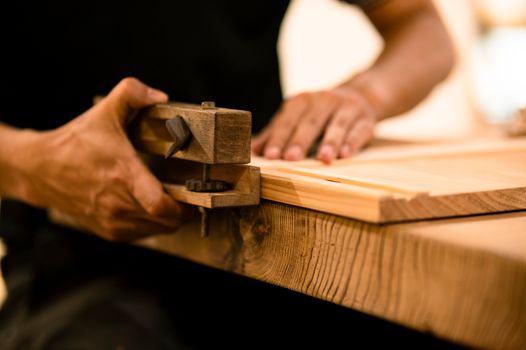
Edge joining is popular for cutting boards as it allows for a seamless appearance. Align the edges of two boards and apply glue, ensuring they are perfectly flat. Use a planer or jointer for precision before gluing.
Achieving Precision in Your Cuts
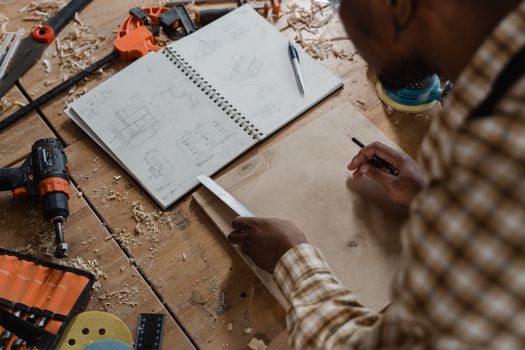
Precision is key in woodworking, especially for cutting boards. Here are some tips to ensure your cuts are accurate:
- Measure Twice, Cut Once: Always double-check your measurements before making cuts.
- Use a Straight Edge: For hand saws, using a straight edge can help guide your cuts.
- Set Up a Stop Block: When using a table saw, a stop block can help maintain consistent lengths across multiple pieces.
Sanding and Finishing Techniques
Once your cutting board is assembled, it’s time to sand and finish it for a professional appearance.
Sanding
- Start with a lower grit (e.g., 80) to remove any glue squeeze-out and rough edges.
- Gradually move to higher grits (up to 220) for a smooth surface.
- Always sand in the direction of the wood grain to avoid scratches.
Applying Finish
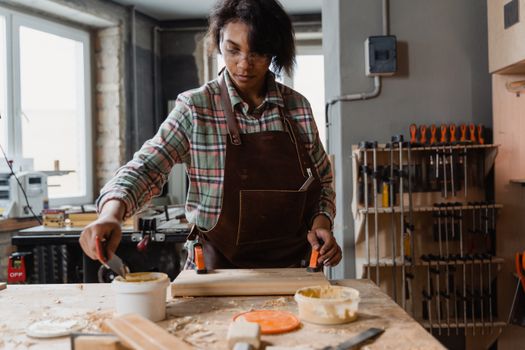
Choosing a food-safe finish is essential for protecting your cutting board. Options include:
- Mineral Oil: Penetrates the wood and provides a moisture barrier.
- Beeswax: Can be mixed with mineral oil for added protection and shine.
- Commercial Cutting Board Finish: Specifically designed for wood surfaces that come into contact with food.
Apply the finish with a clean cloth, allowing it to soak in, and repeat the process until the desired finish is achieved.
Resources for Plans and Inspiration
If you’re looking for detailed plans and inspiration, Ted Woodworking offers a vast library of woodworking plans, including cutting boards. These plans can guide you through different styles and techniques, ensuring your project is both successful and enjoyable.
Conclusion
Making custom wood cutting boards with basic tools is entirely achievable. By focusing on joinery, precision, and finishing techniques, you can create beautiful and functional pieces that enhance your kitchen. With patience and practice, you will develop your woodworking skills and enjoy the satisfaction of crafting your own cutting boards.
FAQ
1. What wood is best for cutting boards?
Hardwoods like maple, walnut, and cherry are ideal due to their durability and resistance to knife damage.
2. Can I use softwood for a cutting board?
While softwoods can be used, they are more prone to scratches and dents, making them less durable for kitchen use.
3. How often should I oil my cutting board?
It’s recommended to oil your cutting board every month or when it appears dry to keep it in good condition.
📚 Related Articles
🔨 Want 16,000+ Woodworking Plans?
Get instant access to step-by-step plans with blueprints and cut lists.
Get Instant Access →