Why Understanding Wood Grain is Crucial for Woodworking Success
Woodworking is a rewarding and creative craft that allows you to create beautiful furniture and other items from natural materials. One of the fundamental aspects of woodworking that every beginner must grasp is the concept of wood grain. Understanding wood grain can significantly influence the appearance, durability, and overall success of your woodworking projects.
What is Wood Grain?
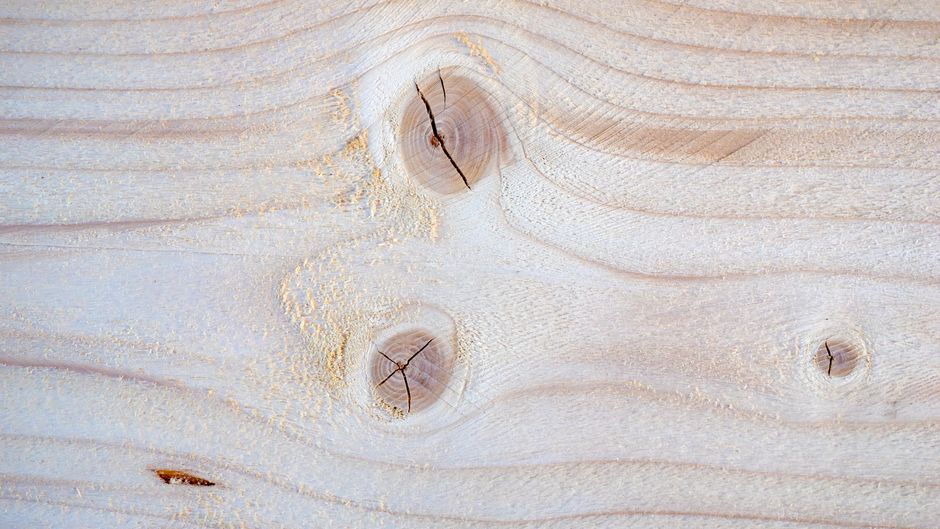
Wood grain refers to the patterns and textures found on the surface of wood, which are created by the growth patterns of the tree. These patterns can vary widely depending on the type of wood, how it was cut, and the conditions in which the tree grew. Familiarizing yourself with wood grain is essential for several reasons:
- Aesthetic Appeal: The grain pattern can enhance the beauty of your project.
- Structural Integrity: Different grain orientations can affect the strength of your furniture.
- Finishing Techniques: The way wood grain absorbs stains and finishes can vary, influencing the final look.
Types of Wood Grain
Before diving deeper into how to work with wood grain, it's important to understand the different types:
- Plain Grain: The most common type, where the wood has a straightforward, linear pattern.
- Quarter Sawn: This method produces a straight grain pattern with a unique appearance, often seen in high-quality furniture.
- Rift Sawn: Offers a straight grain with minimal flecking, providing a clean look.
- Curly Grain: A beautiful, wavy pattern that adds character and elegance to woodworking projects.
- Birdseye Grain: Features small, round patterns resembling eyes, often found in maple.
How Wood Grain Affects Your Projects
Understanding the wood grain is vital for various aspects of woodworking:
- Cutting Techniques: The way you cut wood can either highlight or obscure the grain. For example, cutting against the grain can lead to splintering, while cutting with the grain can produce a smoother surface.
- Joinery: Knowing the grain direction can impact how well joints hold together. Aligning the grain in the same direction for joints can improve strength.
- Finishing: Different grains absorb stains and finishes differently. Test your finish on a scrap piece of the same wood before applying it to your project.
Identifying Wood Grain Patterns
As a beginner, it’s essential to learn how to identify wood grain patterns. Here’s a straightforward step-by-step method:
- Examine the Wood: Look at the surface closely. You can often see the grain pattern even before sanding.
- Feel the Texture: Run your fingers across the grain. Some woods may feel smooth, while others may have a rough texture.
- Use a Magnifying Glass: For more detail, a magnifying glass can help you see the intricacies of the grain.
- Research the Species: Familiarize yourself with different types of wood and their typical grain patterns.
Tools for Working with Wood Grain
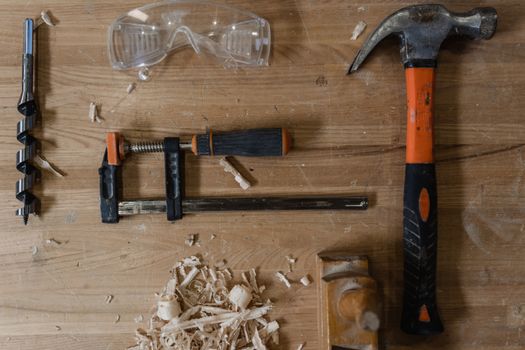
While you can start woodworking with just a few basic tools, having the right tools can make a significant difference in managing wood grain:
- Hand Saw: A good hand saw will help you cut along the grain effectively.
- Chisels: Essential for making precise cuts and joints.
- Sandpaper: Different grits will help you smooth the surface without damaging the grain.
- Finish Brushes: Quality brushes ensure an even application of stains and finishes.
Resources for Woodworking Plans
If you are looking for inspiration and plans, Ted's Woodworking is a fantastic resource. They provide a variety of woodworking plans that cater to all skill levels, making it easier to apply your understanding of wood grain in real projects.
Conclusion
Understanding wood grain is not just a surface-level skill; it's a foundational element that can impact every aspect of your woodworking journey. By learning to identify and work with different wood grains, you will enhance the beauty and durability of your projects. As you grow more comfortable with woodworking, remember that practice and experimentation are key. Happy woodworking!
FAQs
- Q: How do I choose the right wood for my project?
A: Consider the wood grain, color, and the intended use of the furniture. Research various types of wood to find the best match. - Q: Can I change the direction of the wood grain in my project?
A: While you cannot change the natural grain of the wood, you can choose how you cut and assemble it to highlight or minimize certain patterns. - Q: What is the best way to finish wood to enhance its grain?
A: Use a clear finish, such as polyurethane or varnish, to protect the wood while allowing the grain to shine through.
📚 Related Articles
🔨 Want 16,000+ Woodworking Plans?
Get instant access to step-by-step plans with blueprints and cut lists.
Get Instant Access →