When to Use Birch vs. Pine for Woodworking Projects
When embarking on a woodworking project, one of the first decisions you must make is which type of wood to use. Two of the most popular choices are birch and pine. Each has unique characteristics that make them suitable for different applications. In this article, we will explore when to use birch versus pine, the tools you will need for each, and the pros and cons to help you make an informed decision.
Understanding Birch and Pine
Before diving into specific projects, it’s important to understand the fundamental differences between birch and pine.
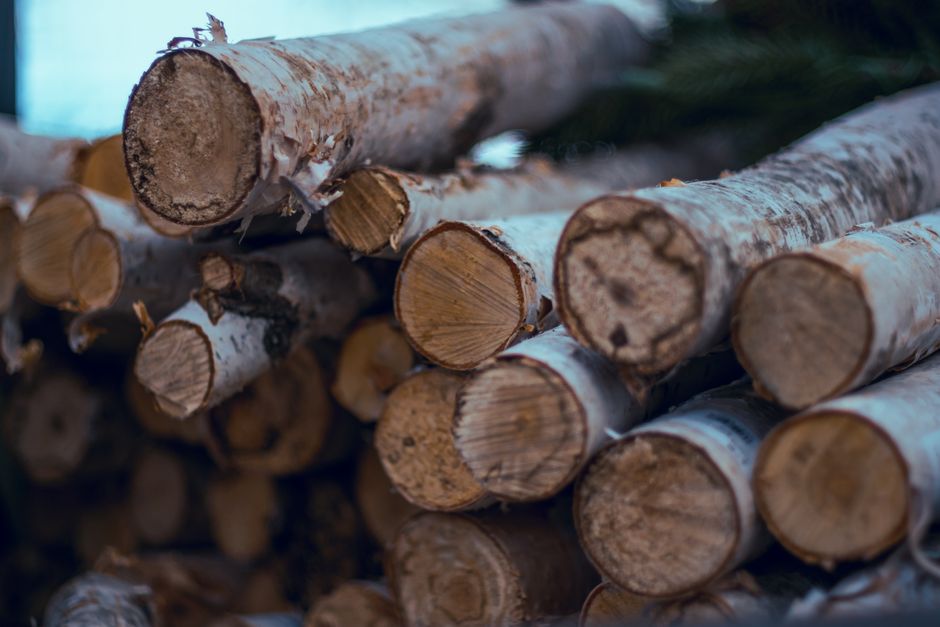
- Birch: Birch is a hardwood that is known for its fine grain and durability. It has a light color and a smooth texture, making it ideal for furniture that requires a polished finish.
- Pine: Pine is a softwood that is lighter and easier to work with. It is often less expensive and is available in various grades, making it a popular choice for beginners and budget-conscious woodworkers.
When to Use Birch
Birch is an excellent choice for several types of projects:
- Fine Furniture: Due to its durability and attractive grain, birch is perfect for crafting fine furniture pieces like dining tables, dressers, and cabinets.
- Cabinetry: Birch’s resistance to warping makes it a solid choice for cabinets that must withstand frequent use.
- High-End Toys: Birch is often used in the production of high-quality toys due to its safety and durability.
Recommended Tools for Birch Projects
When working with birch, having the right tools is crucial. Here are some tools to consider:
- Bandsaw: A bandsaw is essential for making precise cuts in birch. Pros: It allows for intricate designs. Cons: It can be expensive and requires maintenance.
- Router: A router is ideal for adding decorative edges and grooves. Pros: Versatile for various projects. Cons: Requires skill to use effectively.
- Orbital Sander: For achieving a smooth finish on birch, an orbital sander is a must. Pros: Quick and efficient. Cons: Can be noisy and requires dust protection.
When to Use Pine
Pine is a versatile wood suitable for many different applications:
- Children’s Furniture: Pine is often used for making children’s furniture due to its lightweight nature and ease of handling.
- Rustic Décor: The natural knots and unique patterns in pine make it ideal for rustic furniture and décor items.
- Outdoor Projects: Treated pine is commonly used for outdoor projects such as picnic tables and garden furniture due to its resistance to decay.
Recommended Tools for Pine Projects
When working with pine, these tools can enhance your woodworking experience:
- Table Saw: A table saw is essential for making straight cuts in pine. Pros: Ideal for large pieces. Cons: Can be dangerous if not used properly.
- Kreg Jig: This tool is perfect for creating pocket holes in pine. Pros: Easy to use and provides strong joints. Cons: May require additional training to master.
- Drill Press: A drill press allows for precise drilling in pine. Pros: Ensures accuracy. Cons: Takes up space in the workshop.
Comparing the Costs
When considering birch and pine, cost can also be a significant factor:
- Birch: Generally more expensive than pine due to its hardwood nature. It may be worth the investment for high-end projects.
- Pine: More budget-friendly, making it an excellent option for beginners or larger projects where cost is a concern.
Conclusion
Ultimately, the choice between birch and pine will depend on your specific project needs, budget, and personal preferences. For detailed plans and inspiration, consider exploring resources like Ted Woodworking, which offers a plethora of woodworking plans suited to various skill levels.
FAQ
1. Is birch harder to work with than pine?
Yes, birch is a hardwood and can be more challenging to cut and shape compared to soft pine. It often requires sharper tools and more effort.
2. Can I use pine for fine furniture?
While pine can be used for fine furniture, it may not have the same durability or aesthetic appeal as birch. However, it can be finished nicely and is suitable for certain styles.
3. How do I finish birch and pine?
Both woods can be finished using stains, paints, or clear coats. Birch often benefits from a clear coat to highlight its grain, while pine can take on various stains for a rustic look.
📚 Related Articles
🔨 Want 16,000+ Woodworking Plans?
Get instant access to step-by-step plans with blueprints and cut lists.
Get Instant Access →