Can I Use Reclaimed Wood for Outdoor Furniture? What You Need to Know
Woodworking enthusiasts often find themselves drawn to the unique aesthetic and eco-friendly benefits of reclaimed wood. Whether you’re building a rustic picnic table or a chic outdoor bench, reclaimed wood can add character to your outdoor spaces. However, using reclaimed wood for outdoor furniture comes with its own set of challenges and considerations. In this article, we’ll explore what you need to know about using reclaimed wood outdoors, including essential tools and resources like Ted Woodworking.
The Appeal of Reclaimed Wood
Reclaimed wood is not just a trend; it’s a sustainable choice that can help reduce the demand for new lumber. This wood comes from various sources, such as:
- Old barns
- Demolished buildings
- Furniture scraps
- Shipping pallets
Using reclaimed wood can give your outdoor furniture a unique look and often features interesting colors, textures, and grain patterns that can’t be replicated with new lumber.
Pros of Using Reclaimed Wood for Outdoor Furniture
- Eco-Friendly: Reclaimed wood is recycled, which helps reduce waste and conserves natural resources.
- Unique Aesthetic: Each piece of reclaimed wood has its own story, adding character to your furniture.
- Durability: Many reclaimed woods, such as oak and teak, are naturally resistant to decay and insects.
- Cost-Effective: Depending on the source, reclaimed wood can often be cheaper than new hardwoods.
Cons of Using Reclaimed Wood for Outdoor Furniture
- Potential for Contaminants: Old wood may contain nails, screws, or chemicals, requiring thorough inspection and preparation.
- Inconsistent Quality: The condition of reclaimed wood can vary greatly; some pieces may be too damaged for outdoor use.
- Requires Treatment: To withstand outdoor conditions, reclaimed wood often requires additional treatment and sealing.
Essential Tools for Working with Reclaimed Wood
To ensure your reclaimed wood projects are successful, having the right tools is essential. Here are some recommendations:
1. Circular Saw
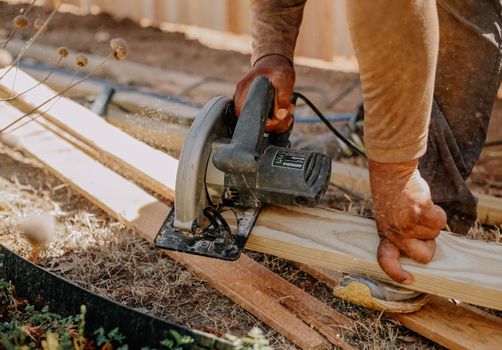
A circular saw is a must-have for cutting reclaimed wood to size. Its portability and ease of use make it ideal for outdoor projects.
- Pros: Accurate cuts, portable, versatile for various cuts.
- Cons: Can be challenging for intricate cuts. Requires careful handling with rough wood.
2. Belt Sander
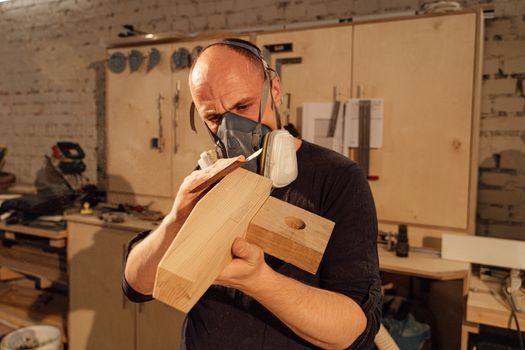
A belt sander is essential for smoothing the surfaces of reclaimed wood. It helps remove old finishes and prepares the wood for staining or sealing.
- Pros: Efficient material removal, great for rough surfaces.
- Cons: Can be aggressive; beginners may need to practice to avoid gouging.
3. Drill and Screwdriver Set
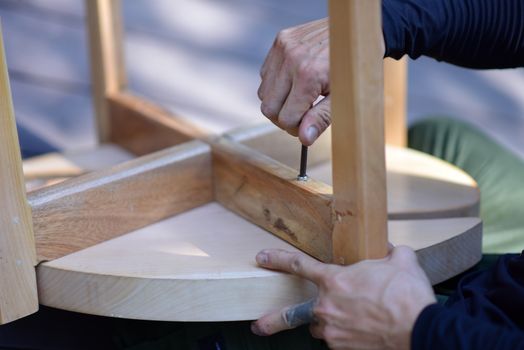
For assembling your reclaimed wood furniture, a reliable drill and screwdriver set is indispensable. Look for a cordless model for convenience.
- Pros: Cordless for mobility, versatile for drilling and driving screws.
- Cons: Battery life can limit prolonged use; ensure you have a spare battery.
4. Wood Moisture Meter
Before using reclaimed wood, it's essential to check its moisture content. A wood moisture meter can help you avoid issues with warping and cracking.
- Pros: Prevents defects by ensuring wood is at the right moisture level.
- Cons: Minor additional cost; not always necessary for seasoned wood.
5. Wood Finishing Products
To protect your outdoor furniture, you'll need quality wood finishes. Look for products specifically designed for outdoor use.
- Pros: Increases durability against weather conditions, enhances appearance.
- Cons: Requires regular reapplication to maintain protection.
Using Ted Woodworking as a Resource
For those looking to create outdoor furniture from reclaimed wood, Ted Woodworking offers a vast selection of plans and blueprints tailored for all skill levels. With detailed instructions and cut lists, even beginners can confidently tackle their projects. It's a fantastic resource for maximizing the potential of your reclaimed materials.
Final Thoughts
Using reclaimed wood for outdoor furniture can be a rewarding and environmentally friendly endeavor. However, it’s essential to consider the wood's condition and take the necessary steps to prepare it for outdoor use. By equipping yourself with the right tools and resources, such as Ted Woodworking plans, you can create beautiful outdoor furniture that stands the test of time.
Frequently Asked Questions
1. Is reclaimed wood safe for outdoor use?
Yes, reclaimed wood can be safe for outdoor use if it is properly inspected, treated, and finished. Make sure to check for contaminants and apply an appropriate outdoor sealant.
2. How do I treat reclaimed wood for outdoor furniture?
Reclaimed wood should be sanded to remove any old finishes, inspected for damage, and treated with a water-resistant sealant or stain designed for outdoor use.
3. Can I use any type of reclaimed wood for outdoor furniture?
While many types of reclaimed wood can be used, it is best to choose hardwoods like oak, teak, or cedar, as they have better natural resistance to weather and decay.
📚 Related Articles
🔨 Want 16,000+ Woodworking Plans?
Get instant access to step-by-step plans with blueprints and cut lists.
Get Instant Access →