Introduction
Woodworking is a rewarding and fulfilling hobby that allows you to create beautiful and functional pieces of furniture. However, successful woodworking projects often start with careful planning. Many woodworkers, especially beginners, make common mistakes during the planning phase, which can lead to wasted materials and increased costs. This article will explore some of these pitfalls and provide cost-saving tips to help you effectively plan your woodworking projects.
Understanding the Importance of Planning
Before diving into the common mistakes, it’s essential to understand why planning is crucial in woodworking. Proper planning helps you:
- Save money by minimizing waste
- Ensure you have all necessary materials before starting
- Reduce the time spent on each project
- Enhance the quality of your finished product
Common Mistakes in Woodworking Project Planning
1. Skipping the Design Phase
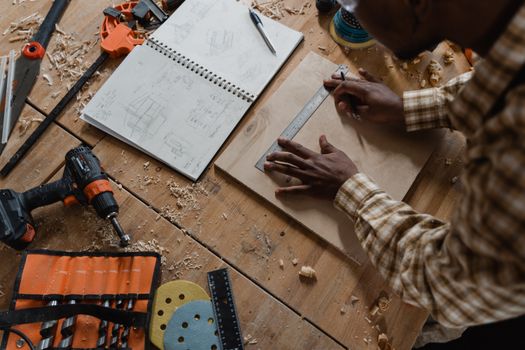
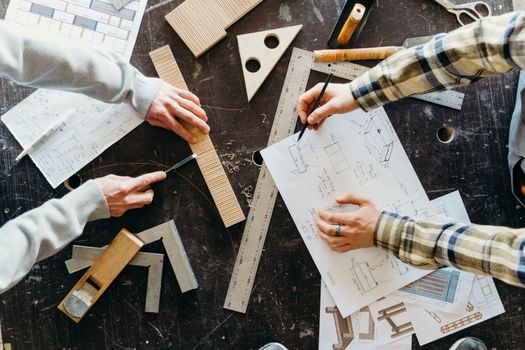
One of the most frequent mistakes is jumping straight into the build without a solid design. While spontaneity can lead to creativity, it can also result in a lack of direction.
Tip: Spend adequate time sketching your design, considering dimensions, materials, and functionality. Use resources like Ted Woodworking for detailed project plans that help streamline this process.
2. Underestimating Material Requirements
Many woodworkers miscalculate the amount of wood and other materials needed for their projects. This can lead to multiple trips to the store, which not only costs more but can also delay your project.
Tip: Create a detailed cut list based on your design. Include extra material for mistakes, especially if you are working with affordable but less forgiving materials.
3. Ignoring Tool Availability
Some projects may require tools that you do not own, leading to unexpected expenses. New tools can be costly, and renting tools can sometimes lead to logistical challenges.
Tip: Before starting, assess which tools you have and which ones you need. Consider borrowing tools or renting them for specific projects to keep costs down.
4. Choosing the Wrong Materials
Wood selection can significantly impact both the aesthetics and cost of your project. Many beginners opt for expensive hardwoods without considering more affordable alternatives.
Tip: Research affordable materials that suit your project. Plywood, MDF, or reclaimed wood can be excellent budget-friendly options without sacrificing quality.
5. Failing to Account for Joinery Techniques
Not all joinery methods are created equal. Some require more skill and tools than others. Beginners often choose complex joinery without the necessary experience, leading to frustration and wasted materials.
Tip: Stick to simpler joinery techniques if you're new to woodworking. As you gain experience, you can gradually incorporate more complex methods.
6. Overlooking Finishing Details
The finishing touches can make or break your project. Many woodworkers do not allocate enough time for sanding, staining, or sealing, which can lead to disappointing results.
Tip: Plan for finishing in your project timeline. Allow enough time for drying and application of multiple coats to achieve a professional look.
7. Not Setting a Budget
Woodworking can become an expensive hobby if you don't set a clear budget. Many woodworkers underestimate costs, leading to overspending.
Tip: Create a budget that includes all aspects of your project, from materials to tools and finishes. Stick to this budget to avoid unnecessary expenses.
Cost-Saving Tips for Woodworking Projects
In addition to avoiding common planning mistakes, consider these cost-saving tips:
- Buy in Bulk: Purchase larger quantities of materials when possible to save on costs.
- Use Coupons and Discounts: Look for sales and promotions at local hardware stores or online retailers.
- Repurpose Materials: Consider using reclaimed wood or repurposing old furniture to create something new.
- Work on Multiple Projects: Plan several smaller projects at once to maximize material use and minimize waste.
- Join a Woodworking Community: Engage with local woodworking clubs or online forums to share resources and tips.
Conclusion
Effective woodworking project planning is essential for creating beautiful and functional pieces while saving money. By avoiding common mistakes and implementing cost-saving strategies, you can enhance your woodworking skills and produce high-quality furniture without breaking the bank. Remember to utilize resources like Ted Woodworking for comprehensive project plans that can guide you through the process.
FAQ
1. What is the best way to start planning my woodworking project?
The best way to start is by sketching your design, creating a cut list, and gathering all necessary materials and tools before beginning your project.
2. How can I find affordable materials for my woodworking projects?
Look for sales at local hardware stores, check online marketplaces for reclaimed wood, or consider using plywood and MDF for cost-effective options.
3. Why is joinery important in woodworking projects?
Joinery techniques determine how pieces of wood are connected, affecting the strength and appearance of your finished project. Choosing appropriate joinery can enhance both durability and aesthetics.
📚 Related Articles
🔨 Want 16,000+ Woodworking Plans?
Get instant access to step-by-step plans with blueprints and cut lists.
Get Instant Access →