Understanding Wood Grain
Wood grain refers to the pattern formed by the growth rings of trees, which is influenced by various factors, including species, growth conditions, and processing techniques. Understanding wood grain is crucial for any woodworking project, as it can significantly impact aesthetics, strength, and even the tools you will need for successful execution.
The Aesthetic Influence of Wood Grain
One of the most evident impacts of wood grain on your project plans is aesthetic. The visual appeal of a finished piece can be dramatically altered by the type of wood and its grain pattern. Some woods, like oak and walnut, feature prominent grain patterns that can enhance the beauty of furniture, while others like maple may have a more subtle appearance.
- Open Grain vs. Closed Grain: Open-grain woods, like oak, have larger pores and a more textured surface, which can absorb stains differently than closed-grain woods, like maple, leading to varied finishing results.
- Grain Direction: The direction of the grain can also affect how light interacts with the wood, influencing the overall look of the piece. For example, horizontal grain can make a surface appear wider, while vertical grain can add height.
Structural Implications
Beyond aesthetics, wood grain also plays a critical role in the structural integrity of your project. The strength and flexibility of wood can vary depending on the grain orientation:
- Grain Orientation: Wood is strongest when force is applied along the grain. If you cut or join the wood against the grain, you may compromise the strength of your project.
- Wood Movement: Different wood grains expand and contract differently with changes in humidity and temperature. Understanding how the grain runs can help you anticipate and mitigate issues related to wood movement in your final piece.
Choosing the Right Tools for Your Wood Grain
When considering the impact of wood grain on your project plans, it's essential to select the proper tools that accommodate these characteristics effectively. Here are some recommended tools along with their pros and cons:
1. Jointer
A jointer is fundamental for flattening the face of a board and ensuring that the grain is oriented correctly for your project.
- Pros: Creates a flat surface, essential for accurate measurements and cuts.
- Cons: Can be expensive, requires some skill to operate effectively.
2. Planer
Using a planer helps to achieve uniform thickness across boards, which is crucial when working with wood that has an unpredictable grain pattern.
- Pros: Produces smooth, even surfaces and maintains grain integrity.
- Cons: May require additional sanding to achieve the desired finish.
3. Chisels
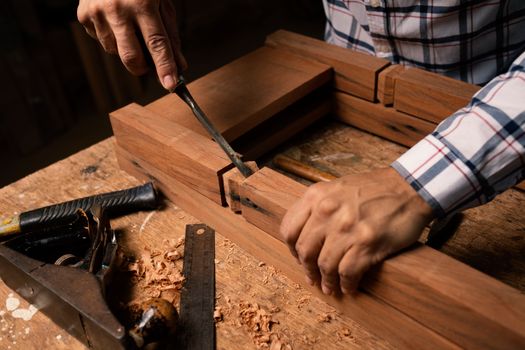
Chisels are perfect for fine-tuning joints or cleaning up areas where the grain may be problematic.
- Pros: Provides precision and control, useful for intricate designs.
- Cons: Requires practice to master and maintain sharpness.
4. Clamps
Clamping is essential for holding pieces together, especially when the grain may lead to movement during the drying process of glue.
- Pros: Ensures a tight bond and mitigates wood movement issues.
- Cons: Can mark softer woods if not used carefully.
5. Saws
Choosing the right saw for your project is vital, especially when cutting across different grain patterns.
- Pros: Different types allow for versatility in cuts; for example, a miter saw is excellent for crosscuts.
- Cons: Each saw requires specific techniques depending on the grain direction.
Utilizing Project Plans
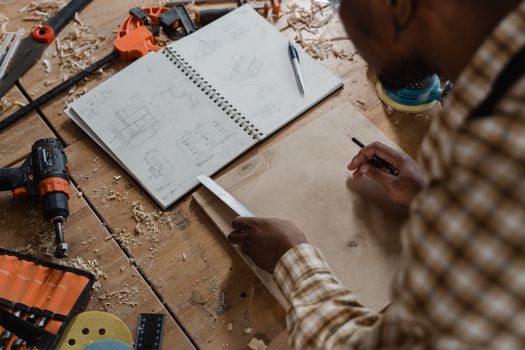
To ensure that you account for wood grain in your projects, having a solid project plan is invaluable. Resources like Ted’s Woodworking offer comprehensive plans that detail how to work with different wood types and their grain patterns. Using well-structured plans can save you time and help you avoid common pitfalls associated with grain inconsistencies.
Conclusion
In conclusion, the impact of wood grain on your project plans cannot be overstated. It influences the aesthetic appeal, structural integrity, and the tools you will need. By understanding wood grain and utilizing the right tools, you can enhance the quality and beauty of your woodworking projects.
FAQ
1. How does wood grain affect finishing?
Wood grain can absorb stains and finishes differently, depending on whether it is open or closed grain. Open-grain woods may require more filler to achieve a smooth finish.
2. Should I always follow the grain when cutting?
Yes, cutting with the grain generally produces cleaner cuts and reduces the risk of tear-out, which can occur when cutting against the grain.
3. Can I use different wood grains together in one project?
Yes, but it’s essential to consider how the different grains will interact visually and structurally. Make sure to match grain direction and finishing techniques for consistency.
📚 Related Articles
🔨 Want 16,000+ Woodworking Plans?
Get instant access to step-by-step plans with blueprints and cut lists.
Get Instant Access →