Introduction
Building a birdhouse is a delightful project that can attract beautiful birds to your garden while providing them with a safe nesting place. However, one of the most crucial aspects of constructing a birdhouse is choosing the right wood. In this guide, we will explore the best types of wood for birdhouses, the tools you need, and some tips to make your birdhouse the best it can be.
Why Wood Choice Matters
The type of wood you select can affect the durability, insulation, and attractiveness of your birdhouse. Different woods have various properties that can either help or hinder your project.
Key Factors to Consider
- Durability: The wood must withstand the elements, including rain, sun, and temperature fluctuations.
- Insulation: Proper insulation helps to maintain a stable temperature inside the birdhouse.
- Safety: Some woods can be harmful to birds; avoid treated wood or those with toxic chemicals.
- Workability: Some woods are easier to work with than others, especially for beginners.
Best Wood Options for Birdhouses
Cedar
Cedar is a popular choice for birdhouses due to its natural resistance to rot and pests. It has excellent insulating properties, keeping the interior of the house warm during colder months.
- Pros: Naturally resistant to decay, lightweight, easy to work with.
- Cons: Can be more expensive than other options.
Pine
Pine is another good option for birdhouses, especially if you are on a budget. It is widely available and relatively easy to work with.
- Pros: Affordable, readily available, easy to paint or stain.
- Cons: Less durable than cedar and may require periodic maintenance.
Plywood
Exterior-grade plywood can be used, but make sure it is free of harmful chemicals. It can be a cost-effective solution if used appropriately.
- Pros: Cost-effective, versatile, easy to cut.
- Cons: Potential for delamination over time, less aesthetic appeal.
Redwood
Redwood offers beautiful aesthetics and is also resistant to decay. However, it can be pricier than other options.
- Pros: Attractive, durable, natural resistance to insects and rot.
- Cons: Higher cost, less commonly available than cedar or pine.
Tools You Will Need
When building a birdhouse, having the right tools can make the process smoother and more enjoyable. Here are some essential tools you should consider:
1. Circular Saw
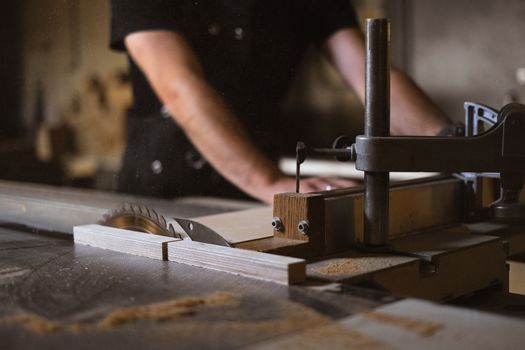
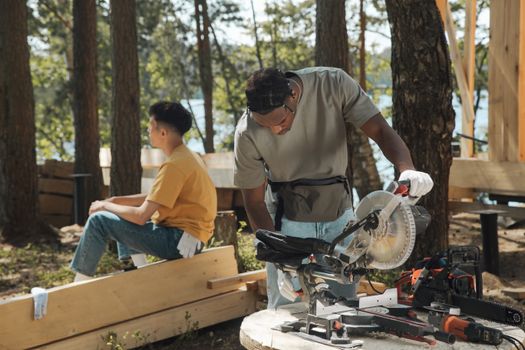
A circular saw is ideal for cutting wood sheets and planks to size. It's efficient and versatile.
- Pros: Fast cutting, can handle various wood types.
- Cons: Requires safety precautions, learning curve for beginners.
2. Drill
A power drill is essential for making pilot holes and driving screws. Look for a model with adjustable torque settings.
- Pros: Versatile for different tasks, saves time.
- Cons: Can be heavy, especially when using larger models.
3. Wood Clamps
Wood clamps are crucial for holding pieces together while you secure them. They help ensure accurate alignment.
- Pros: Inexpensive, easy to use, enhances accuracy.
- Cons: Can be cumbersome if too many are used.
4. Sanding Tools
Using sandpaper or a power sander will help smooth rough edges and surfaces, making the birdhouse safe for birds.
- Pros: Improves aesthetics, enhances safety.
- Cons: Can be time-consuming, requires different grit levels.
5. Measuring Tape
A measuring tape ensures you cut your wood to the correct dimensions. Precision is key in woodworking.
- Pros: Essential for accurate measurements, lightweight.
- Cons: Can be difficult to read in low-light conditions.
Resources for Plans
If you're looking for detailed plans and ideas for building birdhouses, Ted Woodworking is an excellent resource. They offer a wide array of plans that can help you create beautiful and functional birdhouses. With comprehensive instructions and diagrams, even beginners can successfully undertake their projects.
Conclusion
Choosing the right wood for building your DIY birdhouse is essential for ensuring its durability and safety for our feathered friends. By understanding the properties of various woods and utilizing proper tools, you can create a beautiful addition to your outdoor space. Happy woodworking!
FAQ
1. Can I use treated wood for birdhouses?
No, treated wood contains chemicals that can be harmful to birds. It’s best to stick with natural, untreated wood.
2. What type of wood is best for beginners?
Pine is a great choice for beginners due to its affordability and ease of workability.
3. How can I protect my birdhouse from the elements?
Using a weatherproof sealant or paint can help protect your birdhouse from moisture and UV rays.
📚 Related Articles
🔨 Want 16,000+ Woodworking Plans?
Get instant access to step-by-step plans with blueprints and cut lists.
Get Instant Access →