How to Make a Wooden Garden Arbor: 6 Essential Steps
A wooden garden arbor can transform your outdoor space, providing a stunning focal point for your garden while also offering a shaded area to relax. Building an arbor requires careful planning, precise joinery, and a keen eye for detail. In this article, we will outline six essential steps to create your own beautiful wooden garden arbor, focusing on advanced techniques that will ensure a professional finish.
Step 1: Planning and Design
Before you begin crafting your arbor, it's crucial to develop a well-thought-out plan. This includes selecting the right materials and creating detailed drawings. Choose high-quality, weather-resistant wood such as cedar or redwood, which naturally resist rot and insects. Your design should include dimensions, joinery types, and an overall aesthetic that complements your garden.
- Dimensions: Decide the size of your arbor based on the space available and how you intend to use it.
- Joinery Type: Consider using mortise and tenon joints or half-lap joints for added strength and durability.
- Aesthetic: Think about the style of your home and garden—traditional, modern, or rustic—and incorporate elements that reflect that style.
Step 2: Preparing the Site
Once you've finalized your design, the next step is to prepare the area where the arbor will be installed. Clear away debris and level the ground to ensure a stable base. Depending on your design, you may need to dig holes for the posts or create a concrete foundation for added stability.
Step 3: Cutting the Pieces
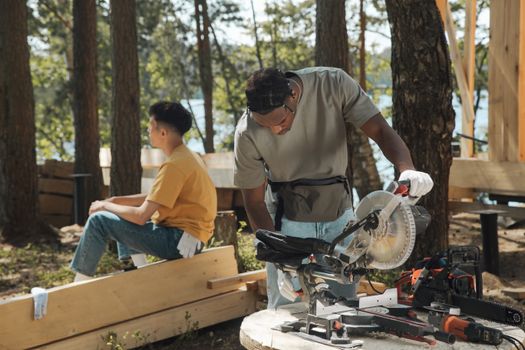
With your materials selected and the site prepared, it's time to cut the wood to the required lengths. Precision is key here, so make sure to use a high-quality miter saw for accurate cuts. Measure twice and cut once to avoid mistakes. It's recommended to label each piece as you cut, which will streamline the assembly process.
- Tips: Use a table saw for straight cuts and ensure your blades are sharp for clean edges.
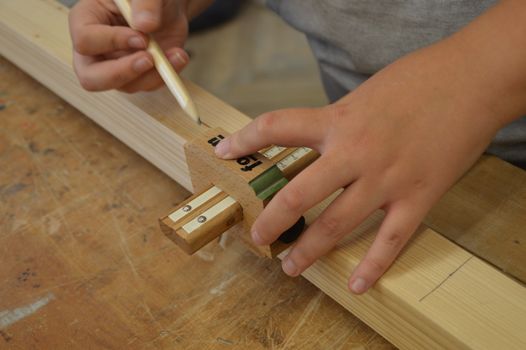
- Joinery Preparation: Mark where your joints will go on each piece before you start cutting them. This will save time and ensure accuracy.
Step 4: Joinery Techniques
Now it's time to create the joinery that will hold your arbor together. For a professional finish, consider advanced joinery techniques:
- Mortise and Tenon: This traditional joint involves cutting a rectangular hole (mortise) in one piece and a corresponding tongue (tenon) on another piece. This joint is incredibly strong and ideal for load-bearing connections.
- Half-Lap Joint: This joint is made by cutting away half the thickness of two pieces of wood, allowing them to overlap. This is particularly useful for cross-beams and provides excellent support.
- Pocket Hole Joinery: Using pocket hole jigs can simplify assembly and create strong, hidden joints, especially when connecting the cross beams to the vertical posts.
Step 5: Assembly
With your pieces cut and joints prepared, it’s time to assemble your arbor. It’s best to work in a dry and flat area. Start with the base, attaching the vertical posts to the ground supports, ensuring everything is level and square. Use clamps to hold pieces in place while you drill and screw them together. A level is essential to ensure everything is aligned correctly.
- Pro Tip: Consider using wood glue in addition to screws for a stronger bond.
- Check for Square: Always check your assembly for square as you go, making adjustments as necessary.
Step 6: Finishing Touches
Once your arbor is assembled, it’s time to focus on the finishing touches. Sand all surfaces thoroughly to remove any rough edges and splinters. Start with a lower grit sandpaper and gradually move to a higher grit for a smooth finish. Finally, apply a quality outdoor wood finish or sealant to protect your arbor from the elements.
- Staining vs. Painting: Decide whether to stain or paint your arbor based on your design preference. Stains can enhance the natural beauty of the wood, while paints can offer a pop of color.
- Maintenance: Regularly check for any signs of wear or damage, and reapply finish as needed to keep your arbor looking its best.
If you're looking for comprehensive plans to guide you through the process, consider utilizing resources like Ted Woodworking, which offers a wide variety of woodworking plans and detailed instructions.
Conclusion
Building a wooden garden arbor is a rewarding project that can enhance your outdoor space. By following these six essential steps and focusing on precision joinery and finishing techniques, you can create a stunning structure that stands the test of time.
FAQ
1. What type of wood is best for a garden arbor?
Cedar and redwood are popular choices due to their natural resistance to rot and insects. Pressure-treated pine is also an option, but it requires proper sealing to prevent moisture damage.
2. How long does it take to build a garden arbor?
The time required to build a garden arbor can vary based on complexity and skill level, but expect to spend a weekend for most projects, including planning and finishing.
3. Do I need a permit to build a garden arbor?
It depends on your local regulations. Check with your city or county building department to see if a permit is required for your arbor project.
📚 Related Articles
🔨 Want 16,000+ Woodworking Plans?
Get instant access to step-by-step plans with blueprints and cut lists.
Get Instant Access →