Introduction
In today’s woodworking landscape, sustainability has become an increasingly important topic. As a woodworker, you may be wondering whether to prioritize sustainability in your shop drawings. This article will explore the importance of eco-friendly practices in woodworking, the tools that support sustainable methods, and how to create shop drawings that reflect your commitment to the environment.
The Importance of Sustainability in Woodworking
Sustainability in woodworking refers to the practice of sourcing materials and using methods that minimize environmental impact. Here are some compelling reasons to consider sustainability in your woodworking projects:
- Environmental Impact: Traditional logging practices can lead to deforestation and habitat destruction. By prioritizing sustainable sourcing, you can help mitigate this impact.
- Quality of Materials: Sustainable wood is often sourced from responsibly managed forests, which can lead to higher quality materials that last longer.
- Market Demand: More consumers are seeking eco-friendly products, and prioritizing sustainability can give your work a competitive edge.
- Personal Satisfaction: Working with sustainable materials can provide a sense of accomplishment and align your projects with your personal values.
Key Tools for Sustainable Woodworking
Integrating sustainability into your woodworking shop drawings requires the right tools. Here’s a roundup of essential tools that support eco-friendly woodworking practices, along with their pros and cons:
1. Sustainable Wood Suppliers
Choosing the right wood is the first step in sustainable woodworking. Consider sourcing from sustainable suppliers.
- Pros: Supports responsible logging, promotes biodiversity, and often offers higher quality materials.
- Cons: Sustainable wood can sometimes be more expensive and harder to find.
2. High-Efficiency Power Tools
Using energy-efficient tools can significantly reduce your carbon footprint. Look for tools that are certified by ENERGY STAR or have similar ratings.
- Pros: Lower energy consumption, reduced operating costs, and often quieter operation.
- Cons: Initial investment can be higher compared to conventional tools.
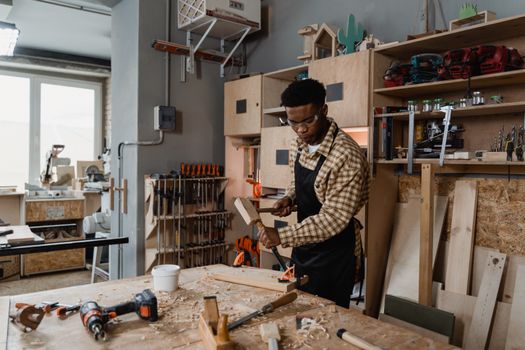
3. Hand Tools
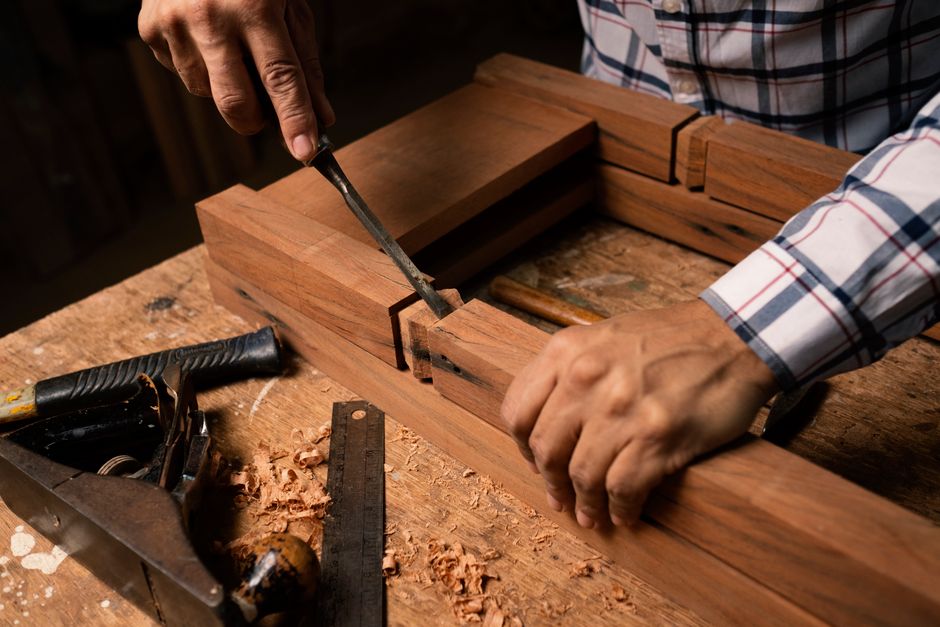
Hand tools are not only traditional but also sustainable. They require no electricity and promote a more hands-on approach to woodworking.
- Pros: Lower environmental impact, better control over precision, and often a longer lifespan than power tools.
- Cons: Requires more physical effort and may have a steeper learning curve for beginners.
4. Non-Toxic Finishes and Adhesives
Using non-toxic finishes and adhesives is essential for reducing harmful fumes and ensuring a healthier environment both in your shop and for the end user.
- Pros: Safer for you and your clients, environmentally friendly, and often easier to apply than traditional finishes.
- Cons: May require longer drying times and can be more expensive.
5. Efficient Dust Collection Systems
A good dust collection system helps to minimize waste and keep your workspace clean, which is especially important in sustainable woodworking.
- Pros: Reduces health risks associated with dust, minimizes waste, and can improve overall workshop efficiency.
- Cons: Can take up space and may require a significant investment.
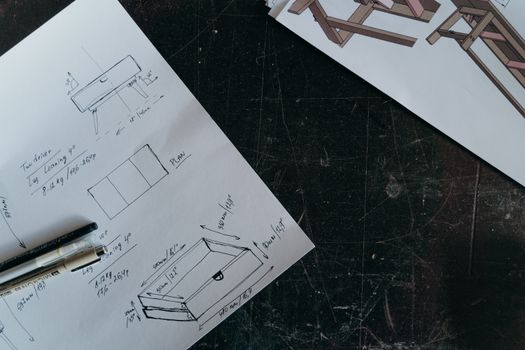
Creating Sustainable Shop Drawings
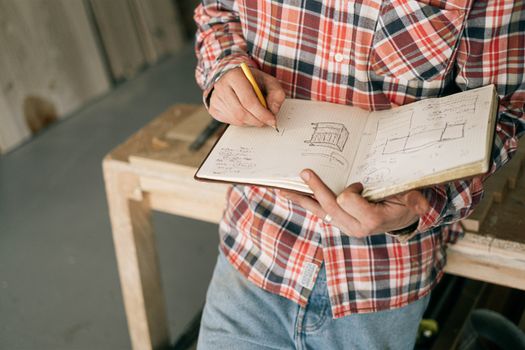
Your shop drawings should reflect your commitment to sustainability. Here are some tips to consider:
- Material Selection: Clearly indicate sustainable wood sources in your drawings and highlight any eco-friendly finishes.
- Minimize Waste: Design your projects to use materials efficiently, reducing offcuts and scrap.
- Upcycling: Consider incorporating reclaimed wood or other recycled materials into your designs.
One great resource for woodworking plans that emphasize sustainability is Ted Woodworking. Their comprehensive plans can help you create beautiful furniture while staying true to your sustainable goals.
Conclusion
Prioritizing sustainability in your woodworking shop drawings is not just a trend; it’s a commitment to the environment and the future of woodworking. By selecting the right tools and materials, you can create stunning pieces that reflect your values and appeal to eco-conscious consumers. The path to sustainable woodworking may require some changes in your approach, but the rewards—both personal and professional—are well worth the effort.
FAQ
- 1. What type of wood is considered sustainable? Sustainable wood comes from forests that are managed responsibly, ensuring that trees are replanted and wildlife is protected. Look for certifications like FSC (Forest Stewardship Council).
- 2. Are there specific tools that make woodworking more sustainable? Yes, tools that are energy-efficient, promote waste reduction, and allow for handcrafting are ideal for sustainable woodworking.
- 3. How can I incorporate sustainability into my existing woodworking projects? You can use reclaimed materials, choose eco-friendly finishes, and design to minimize waste in your shop drawings.
📚 Related Articles
🔨 Want 16,000+ Woodworking Plans?
Get instant access to step-by-step plans with blueprints and cut lists.
Get Instant Access →