Introduction
When it comes to building furniture, the strength of your joints can make or break your project. Using the right wood glue is essential for ensuring long-lasting, durable connections. In this article, we will explore the top five wood glues that are renowned for creating stronger joints, while also covering common mistakes to avoid and troubleshooting tips.
1. PVA Glue (Polyvinyl Acetate)
PVA glue is perhaps the most common type of wood glue used in furniture making. It is water-based, easy to clean up, and provides a strong bond for most types of wood.
- Pros: Non-toxic, easy to use, and dries clear.
- Cons: Not waterproof unless specified (look for "water-resistant" variants).
Common Mistake: Applying too much glue can cause a mess and weaken the bond.
Fix: Apply a thin, even layer and clamp the joints properly to ensure a strong bond.
2. Polyurethane Glue
Polyurethane glue, such as Gorilla Glue, is a versatile adhesive that works on a variety of materials, including wood, metal, and even plastic.
- Pros: Extremely strong, expands as it dries, and is waterproof.
- Cons: Can be messy and requires moisture to activate.
Common Mistake: Not using enough moisture can lead to a weak bond.
Fix: Lightly dampen one of the surfaces before applying the glue to activate its bonding properties.
3. Epoxy
Epoxy is a two-part adhesive that consists of a resin and a hardener. It provides an incredibly strong bond and is perfect for high-stress joints.
- Pros: Very strong and resistant to heat and water.
- Cons: Longer curing time and requires precise mixing.
Common Mistake: Not mixing the epoxy thoroughly can lead to a weak bond.
Fix: Follow the manufacturer's instructions closely when mixing and allow adequate curing time for the best results.
4. Hide Glue
Hide glue has been used for centuries in woodworking and is favored for its reversibility, making it a preferred choice for antique restorations.
- Pros: Reversible with heat and moisture, good for delicate work.
- Cons: Short open time and can be tricky to apply.
Common Mistake: Allowing the glue to cool too much before applying can weaken the bond.
Fix: Keep the glue warm during application and work quickly to ensure a strong joint.
5. Cyanoacrylate Glue (Super Glue)
Cyanoacrylate glue is known for its fast drying time and strong bond, making it suitable for small repairs and quick fixes.
- Pros: Dries quickly and is very strong for small projects.
- Cons: Not suitable for large joints or outdoor projects.
Common Mistake: Applying too much glue can cause the joint to become brittle.
Fix: Use sparingly and allow to cure fully before subjecting to stress.
Choosing the Right Glue for Your Project
Choosing the right wood glue depends on the type of project you are undertaking. For most furniture building, PVA glue is an excellent all-round choice. However, for high-stress or outdoor projects, consider using polyurethane or epoxy for added durability.
For those interested in detailed plans and step-by-step instructions, resources like Ted Woodworking provide excellent guidance for both beginners and experienced woodworkers.
Conclusion
Understanding the different types of wood glue available and the common mistakes associated with their use is crucial for successful furniture building. By choosing the right glue and applying it correctly, you can ensure strong, durable joints in your projects.
FAQ
1. Can I use wood glue outdoors?
Yes, but make sure to use water-resistant or waterproof wood glue, such as polyurethane glue or specific exterior-rated PVA glue.
2. How long does wood glue take to dry?
Drying times vary by glue type. PVA glue typically dries in 30 minutes to an hour, while epoxy may take several hours to fully cure.
3. Is it necessary to clamp joints when using wood glue?
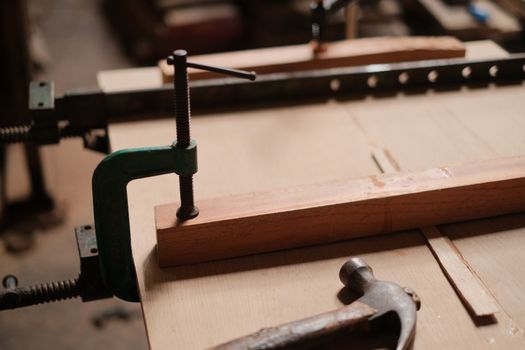
Yes, clamping helps to ensure a tight bond and prevents gaps in the joint, which can weaken the overall strength.
📚 Related Articles
🔨 Want 16,000+ Woodworking Plans?
Get instant access to step-by-step plans with blueprints and cut lists.
Get Instant Access →