Introduction
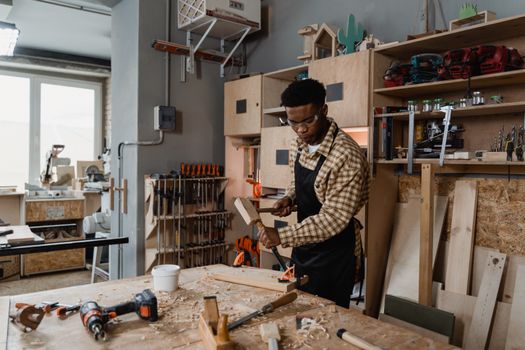
Woodworking is both an art and a science, requiring the right tools to achieve precision and a professional finish. Whether you’re a seasoned woodworker or a newcomer diving into DIY woodworking plans, understanding which tools are essential can significantly enhance your work. In this article, we will explore the must-have tools that focus on advanced techniques, particularly joinery.
Essential Hand Tools
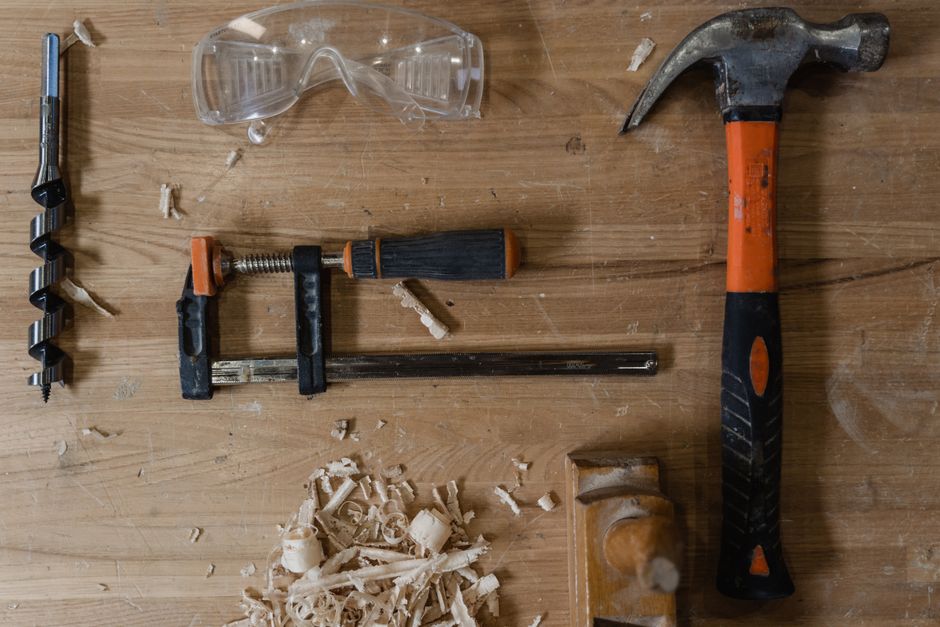
Hand tools are the backbone of any woodworking project. They provide the tactile feedback and control that power tools often lack. Here are the essential hand tools you should consider:
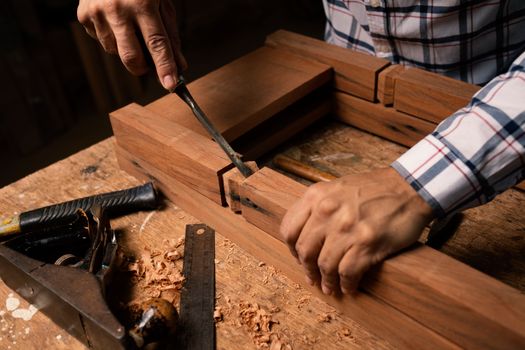
- Chisels: A quality set of chisels is indispensable for joinery. They allow for precise cuts and clean joints, especially in dovetail and mortise-and-tenon joints.
- Saws: Invest in a good handsaw, coping saw, or a Japanese pull saw. Each serves a unique purpose, and having a variety of saws will enhance your versatility.
- Planes: A smoothing plane is crucial for achieving a professional finish on your wood surfaces. It removes imperfections and prepares the wood for further finishing.
- Measuring and Marking Tools: Accurate measurements are critical in woodworking. A combination square, marking gauge, and tape measure will help ensure your cuts are precise.
- Clamps: Clamps are essential for holding pieces together during assembly and gluing. A good set of bar clamps and quick-grip clamps will provide the support you need.
Power Tools: Enhancing Precision and Efficiency
While hand tools are vital, power tools can significantly enhance your efficiency and precision in woodworking projects. Here are the essential power tools you should consider:
- Table Saw: The table saw is a cornerstone of many woodworking shops. It allows for straight cuts with high precision and is versatile enough for various projects.
- Router: A router can create decorative edges and perform joinery tasks such as mortises and grooves. It’s a tool that opens up numerous design possibilities.
- Jigsaw: Perfect for making curved cuts and intricate designs, a jigsaw can be a valuable addition to your power tool arsenal.
- Drill/Driver: A drill/driver is essential for making holes and driving screws. A cordless model provides mobility and ease of use.
- Belt Sander: For smoothing larger surfaces quickly, a belt sander is indispensable. It can save hours of hand sanding time.
Joinery Techniques: The Heart of Woodworking
Joinery is where woodworking truly shines. Understanding various joinery techniques not only improves the structural integrity of your projects but also enhances the aesthetic appeal. Here are some advanced joinery techniques to consider:
- Dovetail Joints: Renowned for their strength and visual appeal, dovetail joints are often used in drawer construction. Achieving precision in dovetail joints requires a sharp chisel and a reliable marking gauge.
- Mortise and Tenon Joints: This classic joint is the backbone of many furniture projects. It provides excellent strength and durability. A mortiser or chisel set can help you achieve clean, precise cuts.
- Box Joints: Box joints are an attractive and strong alternative to dovetails. They are often used in boxes and drawers and can be made using a table saw with a jig.
- Rabbet and Dado Joints: These joints are useful for shelves and cabinetry. A router or table saw can create clean cuts for these types of joints.
Finishing Touches: Achieving a Professional Look
Once your joinery is complete, achieving a professional finish is crucial. Here are some finishing techniques you should master:
- Sanding: Start with a coarser grit sandpaper and progress to finer grits, ensuring that you remove any scratches from the previous grit.
- Staining: A good stain enhances the wood's natural beauty. Make sure to test it on a scrap piece first to see how it interacts with your wood type.
- Sealing and Finishing: Applying a sealant protects the wood and enhances its longevity. Options include polyurethane, lacquer, or oil finishes, each providing different aesthetic results.
Utilizing Resources Like Ted Woodworking
For those looking to expand their woodworking repertoire, utilizing resources like Ted Woodworking can be incredibly beneficial. Their extensive library of plans covers a wide variety of projects, providing detailed instructions and lists of tools needed, making the process easier for both beginners and advanced woodworkers.
Conclusion
In conclusion, the right tools are essential for any woodworking project, particularly when focusing on advanced techniques like joinery and achieving a professional finish. By investing in quality hand and power tools, mastering joinery methods, and perfecting your finishing techniques, you can elevate your woodworking skills. Remember, practice makes perfect, and with time, you will see improvements in your craftsmanship.
FAQ Section
1. What is the most important tool for woodworking?
While many tools are essential, a quality table saw is often considered one of the most important for its versatility and ability to make accurate cuts.
2. Do I need both hand tools and power tools for woodworking?
Yes, both hand tools and power tools have their unique advantages. Hand tools offer precision and control, while power tools provide efficiency and speed.
3. Where can I find good woodworking plans?
Resources like Ted Woodworking offer a comprehensive collection of woodworking plans suitable for all skill levels, making them a great starting point for any project.
📚 Related Articles
🔨 Want 16,000+ Woodworking Plans?
Get instant access to step-by-step plans with blueprints and cut lists.
Get Instant Access →