Introduction
Woodworking is not just a hobby; it’s an art that combines creativity with craftsmanship. If you’re looking to enhance your skills quickly, focusing on specific techniques can make a significant difference. In this article, we will explore various woodworking techniques that will not only improve your skills but also save you money along the way.
1. Mastering the Basics
Before venturing into advanced projects, it’s essential to master the basics. Fundamental skills form the foundation of your woodworking journey. Here are some key areas to focus on:
- Measuring and Marking: Accurate measurements can make or break a project. Invest in a good tape measure and learn how to mark your cuts precisely.
- Cutting Techniques: Practice straight cuts, angled cuts, and curves. Using a hand saw or a circular saw effectively will improve your efficiency.
- Joinery: Learn basic joints like butt joints, lap joints, and pocket holes. These techniques are crucial for strong and durable furniture.
2. Efficient Tool Use
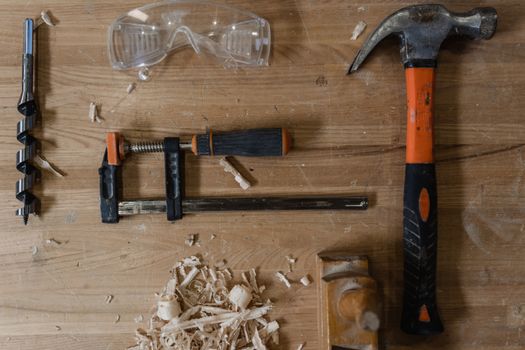
Knowing how to use your tools correctly can greatly improve your woodworking skills. Here are some tips:
- Hand Tools vs. Power Tools: While power tools can speed up your work, hand tools allow for greater control and finesse. Try to incorporate both into your projects.
- Tool Maintenance: Keep your tools sharp and in good condition. A well-maintained tool is safer and more effective.
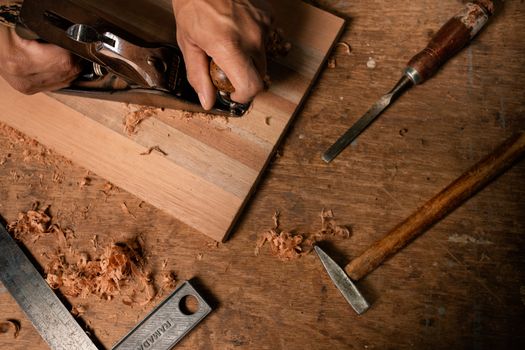
- Practice with Different Tools: Get comfortable with a variety of tools like chisels, planes, and routers. This versatility will enhance your skill set.
3. Focus on Finishing Techniques
A well-finished piece can elevate your work from amateur to professional. Here are some affordable finishing techniques:
- Sanding: Invest in sandpaper of varying grits. Learn to sand properly to achieve a smooth surface.
- Staining: Use affordable stains to enhance the wood’s natural grain. Practice different application techniques to see what works best.
- Sealing: Apply inexpensive sealers or finishes to protect your work. This not only improves durability but also adds an aesthetic touch.
4. Building Simple Projects
Nothing enhances skills like hands-on experience. Start with simple, budget-friendly projects:
- Birdhouses: These small projects are great for practicing joinery and finishing techniques.
- Shelves: Building shelves allows you to experiment with various cuts and joinery methods.
- Picture Frames: A simple frame can teach you about miters, sanding, and finishing.
For project ideas and plans, consider resources like Ted Woodworking, which offers a plethora of affordable woodworking plans suitable for all skill levels.
5. Join a Community
Engaging with a woodworking community can provide invaluable insights and support. Here’s how to get involved:
- Online Forums: Join online woodworking forums where you can ask questions, share your work, and learn from others.
- Local Workshops: Look for local workshops or classes. Learning alongside others can accelerate your skill development.
- Social Media Groups: Follow woodworking groups on platforms like Facebook or Instagram for inspiration and tips.
6. Experiment with Materials
Woodworking doesn’t have to be expensive. Here are some budget-friendly material options:
- Pallet Wood: Repurposing pallet wood can be a cost-effective way to create beautiful furniture.
- Softwoods: Use softwoods like pine or cedar, which are generally cheaper than hardwoods and easier to work with.
- Reclaimed Wood: Scavenging for reclaimed wood can yield unique pieces and save money.
Conclusion
Improving your woodworking skills doesn't have to be a costly endeavor. By focusing on the right techniques, using affordable materials, and engaging with a community, you can see rapid advancements in your woodworking abilities. Remember, practice makes perfect, so keep building and experimenting!
FAQ
1. What is the easiest woodworking project for beginners?
A simple birdhouse or a picture frame is often recommended for beginners as they help practice basic skills without being overwhelming.
2. How can I find affordable woodworking materials?
Look for reclaimed wood, check local classifieds, or visit lumber mills for discounted materials. Pallet wood is also a great resource.
3. Are power tools necessary for woodworking?
No, while power tools can speed up the process, many woodworking projects can be completed with hand tools alone, making them more budget-friendly.
📚 Related Articles
🔨 Want 16,000+ Woodworking Plans?
Get instant access to step-by-step plans with blueprints and cut lists.
Get Instant Access →