Introduction
When it comes to crafting cutting boards, the choice of wood is crucial. Not only does the wood type influence the aesthetics of the board, but it also affects durability, maintenance, and food safety. In this article, we will delve into the best wood types for making cutting boards, emphasizing advanced techniques such as joinery, precision, and achieving a professional finish.
Hardwoods vs. Softwoods
The first consideration in selecting wood for cutting boards is whether to use hardwood or softwood. Generally, hardwoods are the preferred choice for cutting boards due to their density and durability. Softwoods tend to be softer and can score more easily, leading to a shorter lifespan.
Advantages of Hardwoods
- Durability: Hardwoods withstand repeated cutting and chopping without significant wear.
- Less Porous: They are typically less porous than softwoods, reducing the risk of bacteria absorption.
- Aesthetic Appeal: Hardwoods offer a variety of beautiful grains and colors, enhancing the visual appeal of the cutting board.
Top Wood Types for Cutting Boards
Here are some of the best hardwood options for creating cutting boards:
1. Maple
Maple is arguably the most popular choice for cutting boards. Its tight grain structure makes it durable and resistant to knife scars. It has a light color that can brighten up your kitchen and is also relatively affordable.
2. Walnut
Walnut cutting boards provide a stunning dark hue that is visually striking. This wood is incredibly resilient and offers a rich, luxurious feel. However, it tends to be more expensive than maple.
3. Cherry
Cherry wood is known for its beautiful reddish-brown color that deepens over time. It has a fine grain, which makes it gentle on knives while being durable enough for everyday use.
4. Teak
Teak is a tropical hardwood known for its water-resistant properties, making it an excellent choice for cutting boards. It has a natural oil content that helps protect against moisture and warping, although it can be more costly.
5. Birch
Birch is a lightweight yet durable hardwood with a fine, even grain. It is relatively inexpensive and can be an excellent option for beginner woodworkers looking to create functional cutting boards.
Joinery Techniques for Cutting Boards
Once you have selected the appropriate wood type, advanced joinery techniques can elevate your cutting board to a professional level. Here are some key joinery methods:
1. Edge Grain vs. End Grain
Understanding the difference between edge grain and end grain is crucial for cutting board design. Edge grain cutting boards are made by placing the long edges of the wood pieces together, providing a smooth cutting surface. End grain boards, on the other hand, are made by standing the wood pieces on their ends. This method offers superior durability as the knife cuts between the fibers, rather than across them.
2. Finger Joints
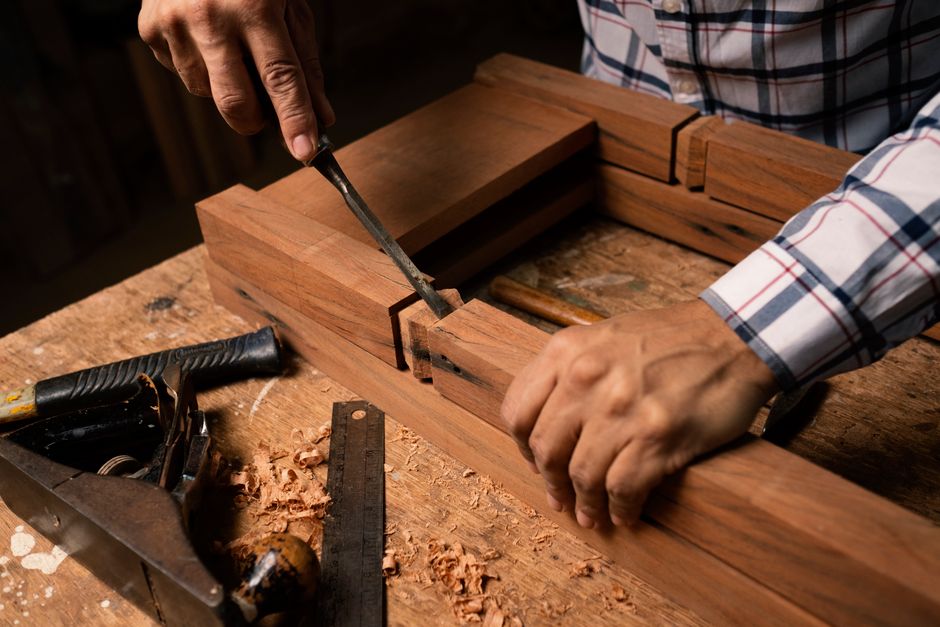
Finger joints are an advanced joinery technique that involves interlocking pieces of wood to create a seamless appearance. This technique can add both strength and visual interest to your cutting board.
3. Biscuit Joints
Biscuit joints are another effective method for joining wood pieces. This technique involves cutting a slot into the edges of the wood and inserting a small, oval-shaped biscuit. It provides additional strength and alignment for your cutting board.
Achieving a Professional Finish
After assembling your cutting board, achieving a professional finish is vital. Here are some advanced tips:
1. Sanding
Begin with a rough grit sandpaper and gradually move to finer grits. Sanding helps to remove imperfections and prepares the surface for finishing. Pay special attention to the edges and corners to ensure a smooth feel.
2. Oiling
Finishing your cutting board with food-safe mineral oil or a blend of mineral oil and beeswax not only enhances the appearance but also protects the wood from moisture and bacteria. Regular oiling will prolong the life of your cutting board.
3. Maintenance
To maintain your cutting board, avoid soaking it in water. Instead, clean it with a damp cloth and mild soap. Regular oiling and proper storage will keep it looking and performing its best.
Resources for Plans and Guidance
If you are looking for comprehensive plans and guidance on building your cutting board, consider checking out Ted Woodworking. This resource provides detailed plans and expert tips for woodworking projects of all kinds.
Conclusion
Choosing the right wood type for your cutting board is essential for durability, aesthetics, and food safety. By employing advanced joinery techniques and achieving a professional finish, you can create a cutting board that not only meets your functional needs but also serves as a beautiful addition to your kitchen. Remember to maintain your board properly to ensure its longevity.
FAQ
1. Can I use softwoods for cutting boards?
While softwoods can be used, they are generally less durable and more prone to scoring. Hardwoods are preferred for better performance.
2. How often should I oil my cutting board?
It is advisable to oil your cutting board every month or whenever it appears dry to maintain its condition and prevent cracking.
3. What is the best way to clean a cutting board?
Clean your cutting board with a damp cloth and a mild soap solution. Avoid soaking it in water to prevent damage.
📚 Related Articles
🔨 Want 16,000+ Woodworking Plans?
Get instant access to step-by-step plans with blueprints and cut lists.
Get Instant Access →