Introduction
Building a playhouse from reclaimed wood is not just an eco-friendly choice but also an opportunity to create a unique, charming structure for children. However, safety and structural integrity must be the top priorities when using reclaimed materials. This article will guide you through advanced techniques focusing on joinery, precision, and achieving a professional finish to ensure your playhouse is both safe and aesthetically pleasing.
Understanding Reclaimed Wood
Reclaimed wood offers character and history, but it also comes with potential challenges. Before diving into construction, it’s essential to evaluate your materials and plan accordingly.
1. Assessing the Wood
- Check for Contaminants: Look for nails, screws, or any signs of previous treatments that could affect safety.
- Inspect for Damage: Evaluate the wood for rot, insect damage, or warping. Only use wood that is structurally sound.
- Moisture Content: Use a moisture meter to ensure the wood is dry enough to prevent future warping.
2. Cleaning and Preparing Reclaimed Wood
Once you’ve selected your reclaimed wood, proper cleaning is crucial. Here’s how to prepare it:
- Remove Old Finishes: Use a chemical stripper or sander to remove any old paint or finishes safely.
- Sand the Surface: Sanding not only smooths out rough spots but also helps to reveal the true character of the wood.
- Apply a Wood Conditioner: This helps the wood absorb stains or finishes uniformly and prevents blotchiness.
Joinery Techniques for Stability
Advanced joinery techniques are pivotal in ensuring the structural integrity of your playhouse. Here are some recommended methods:
1. Mortise and Tenon Joints
This classic woodworking joint provides strength and stability. By cutting a rectangular hole (mortise) into one piece of wood and a corresponding projection (tenon) on another, you create a joint that can withstand significant stress.
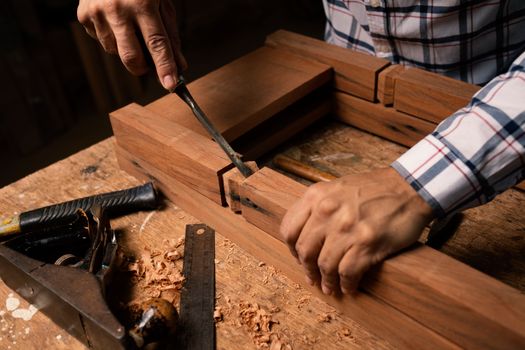
- Precision Cutting: Use a mortising machine or chisel carefully to ensure tight fits.
- Glue and Pin: Enhance the strength by applying wood glue and securing with dowels or pins.
2. Dovetail Joints
Dovetail joints are not only aesthetically pleasing but also incredibly strong. Use these for drawer construction or areas subject to tension.
- Tail and Pin Layout: Mark and cut the tails and pins with precision for a tight fit.
- Hand or Router Cut: Choose between hand tools for a traditional feel or a router for efficiency.
3. Pocket Hole Joints
For a quicker but still strong joint, pocket hole joinery is an excellent option, especially for attaching face frames or joining smaller components.
- Pocket Hole Jig: Invest in a quality jig for accurate drilling at the correct angle.
- Use Appropriate Screws: Select screws that are compatible with reclaimed wood to prevent splitting.
Achieving a Professional Finish
After assembling your playhouse, the finishing touches will make a significant difference in durability and appearance:
1. Staining and Sealing
To protect the wood and enhance its natural beauty, apply a quality wood stain followed by a sealant.
- Choose Non-Toxic Products: Since this playhouse will be used by children, select low-VOC or water-based stains and sealants.
- Multiple Coats: Apply several thin coats, sanding lightly between each for a smooth finish.
2. Painting Techniques
If you prefer painting over staining, consider these tips:
- Primer First: Use a primer to ensure better adhesion and longevity of the paint.
- Quality Brushes and Rollers: Invest in good tools to achieve a professional look without brush marks.
Resources for Building Plans
If you’re looking for detailed plans and guidance, consider resources like Ted Woodworking. They offer a variety of woodworking plans that can help you design and build your playhouse with confidence.
Conclusion
Building a playhouse from reclaimed wood can be a fulfilling project that combines sustainability with creativity. By focusing on advanced joinery techniques, ensuring precision in your cuts, and applying a professional finish, you can create a safe and beautiful playhouse that will delight children for years to come. Remember to always prioritize safety and the structural integrity of your build, and enjoy the process of crafting a unique space for play.
FAQ
1. Is reclaimed wood safe for building a playhouse?
Yes, reclaimed wood can be safe if properly inspected, cleaned, and treated. Ensure there are no contaminants and that the wood is structurally sound.
2. How do I prevent insect infestations in reclaimed wood?
Thoroughly inspect the wood for signs of insects, and consider applying a suitable insecticidal treatment before using it in your project.
3. What finishes are best for a playhouse made from reclaimed wood?
Non-toxic, water-based stains and sealants are recommended for safety and durability, especially for playhouses used by children.
📚 Related Articles
🔨 Want 16,000+ Woodworking Plans?
Get instant access to step-by-step plans with blueprints and cut lists.
Get Instant Access →