Introduction
Crafting fine furniture is a rewarding endeavor that combines creativity with practical skill. Whether you're looking to build a simple chair or a complex cabinet, understanding essential woodworking techniques is key to achieving professional results. In this article, we will explore fundamental techniques that every beginner should master to create beautiful and durable furniture.
1. Measuring and Marking
Accurate measuring and marking are the foundation of any woodworking project. Here’s how to do it effectively:
- Tools Needed: Tape measure, square, marking gauge, pencil.
- Always measure twice and cut once to avoid mistakes.
- Use a square to ensure your lines are straight and precisely perpendicular.
- A marking gauge can help you scribe lines for cutting, which increases accuracy.
2. Cutting Techniques
Once you have your measurements, it’s time to make cuts. The method you choose can affect the quality of your work:
- Hand Saw: Ideal for beginners, hand saws are versatile and allow for control.
- Circular Saw: Good for making straight cuts quickly, but requires practice to master.
- Jigsaw: Great for curved cuts, but be mindful of accuracy.
- Table Saw: A powerful tool for cutting large pieces of wood, but safety is paramount.
3. Joinery Techniques
Joining pieces of wood together is crucial for building furniture. Here are some essential joinery techniques:
- Butt Joint: The simplest joint, where two pieces meet at their ends. It’s easy to make but not the strongest.
- Mitre Joint: A 45-degree angle cut that creates a neat corner. Ideal for frames.
- Dado Joint: A groove cut into one piece of wood, allowing another piece to fit snugly inside.
- Mortise and Tenon: A more advanced joint that offers strength and stability, suitable for door frames and tables.
4. Surface Preparation
Preparing the wood's surface is essential for a smooth finish. Here’s how to do it:
- Sanding: Start with coarse sandpaper (80 grit) and gradually move to finer grits (up to 220 grit) for a smooth surface.
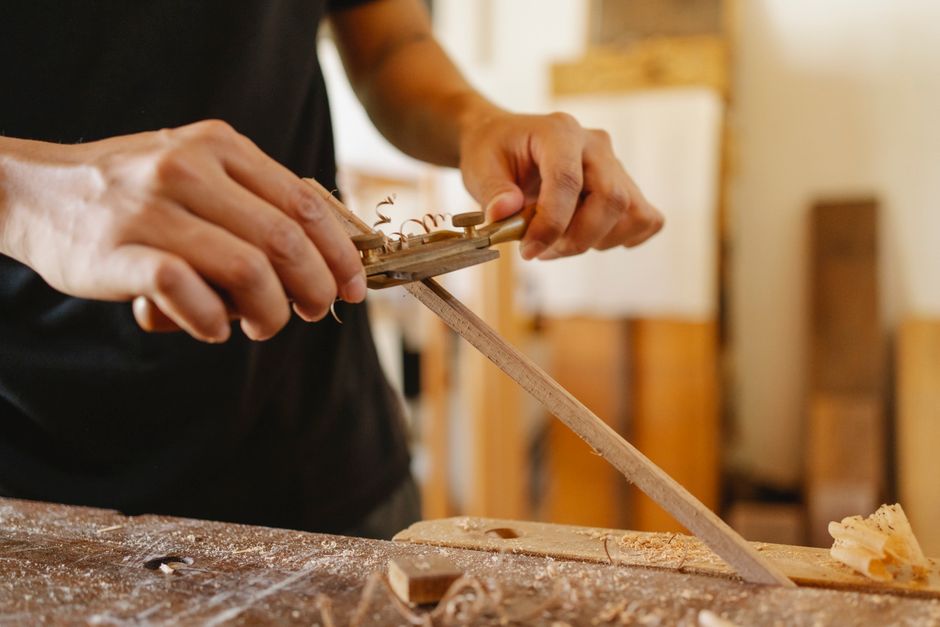
- Planing: A hand plane can help flatten and smooth surfaces, especially on rough lumber.
- Scraping: A cabinet scraper can remove imperfections without damaging the wood grain.
5. Finishing Techniques
Finishing enhances the beauty of the wood and protects it from moisture and wear. Consider these options:
- Stains: Add color to the wood while highlighting its natural grain.
- Varnishes: Create a hard protective layer. Choose between oil-based or water-based options.
- Oils: Penetrate the wood, providing a natural look while offering protection.
- Shellac: A traditional finish that dries quickly and provides a warm glow.
6. Using Plans for Guidance
As a beginner, following detailed plans can significantly enhance your learning and building experience. Resources like Ted Woodworking offer a wide variety of furniture plans, suitable for beginners and seasoned woodworkers alike. These plans provide step-by-step instructions, which can help demystify the building process.
7. Safety First
Safety should always be a priority in woodworking. Here are some basic safety tips:
- Always wear safety goggles to protect your eyes.
- Use ear protection when working with loud tools.
- Keep your workspace clean and organized to prevent accidents.
- Be aware of your surroundings and never rush while using tools.
Conclusion
Mastering these essential woodworking techniques will set a solid foundation for your journey into fine furniture making. Start with simple projects and gradually increase complexity as your skills improve. Remember, practice makes perfect. And don't forget to check out Ted Woodworking for plans that can guide you through your projects. Happy woodworking!
FAQ
1. What is the best wood for beginners to start with?
Softwoods like pine or poplar are great for beginners due to their ease of cutting and shaping.
2. How do I choose the right finish for my furniture?
Consider the look you want to achieve and the level of protection needed. Oil-based finishes are durable, while water-based finishes dry faster.
3. Can I use power tools as a beginner?
Yes, but start with basic tools and ensure you understand their operation and safety before using them.
📚 Related Articles
🔨 Want 16,000+ Woodworking Plans?
Get instant access to step-by-step plans with blueprints and cut lists.
Get Instant Access →