Introduction
Embarking on a DIY wood project can be a rewarding experience, especially when you aim for budget-friendly builds. However, even seasoned woodworkers can make mistakes that lead to wasted materials and unnecessary expenses. In this article, we will explore the most common mistakes in DIY wood projects and offer tips to help you save money while achieving beautiful results.
1. Skipping the Planning Stage
One of the most significant pitfalls in any DIY wood project is diving in without a solid plan. Many beginners often underestimate the importance of proper planning.
- Measure Twice, Cut Once: Always ensure your measurements are accurate. Taking the time to double-check can save you from costly mistakes.
- Create a Detailed Blueprint: Take the time to sketch your project. This will help you visualize the final product and identify any potential issues before you start cutting wood.
- Gather All Materials: Before starting, ensure you have all the necessary materials to avoid last-minute trips to the store that can lead to impulse purchases.
2. Choosing the Wrong Materials
Using the right materials for your project is crucial. Many DIY enthusiasts, especially those looking to save money, may opt for the cheapest option available without considering its long-term durability.
- Understand Wood Types: Different types of wood have various properties. For example, softwoods like pine are more affordable but may not be as durable as hardwoods like oak or maple.
- Consider Plywood: Plywood can be an excellent budget-friendly option for many projects. It’s versatile, easy to work with, and can save you money compared to solid wood.
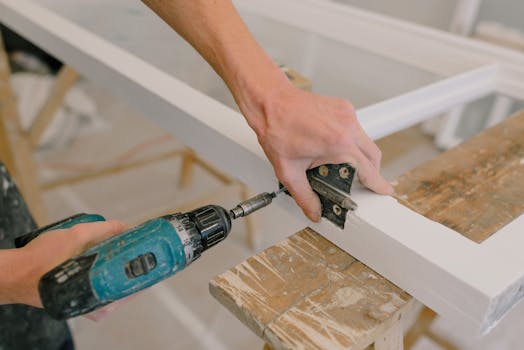
- Don’t Skimp on Hardware: Investing in quality hinges, screws, and nails can avoid future issues. Cheap hardware can compromise the integrity of your project.
3. Ignoring Joinery Techniques
Many DIYers overlook the importance of proper joinery techniques. Poor joinery can lead to weak structures that may not hold up over time.
- Learn Basic Joinery: Familiarize yourself with different joinery techniques, such as doweling, mortise and tenon, and pocket holes. Each method has its advantages and can enhance the durability of your project.
- Use Adhesives Wisely: Wood glue can significantly increase the strength of joints. Always use it in conjunction with mechanical fasteners for the best results.
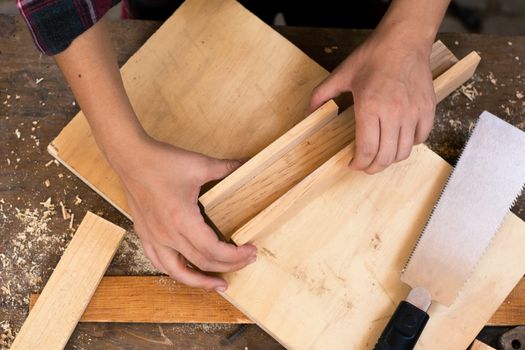
- Practice on Scraps: If you are new to a particular joinery technique, practice on scrap wood first to avoid mistakes on your actual project.
4. Underestimating Time and Effort
DIY projects often take longer than anticipated. Underestimating the time commitment can lead to rushed work and mistakes.
- Set Realistic Deadlines: Factor in not just the time to complete the project, but also time for mistakes, drying, and finishing.
- Work in Stages: Breaking the project into manageable stages can help you maintain focus and avoid feeling overwhelmed.
- Take Breaks: If you feel fatigued or frustrated, take a break. A fresh perspective can help you avoid costly mistakes.
5. Neglecting Safety Precautions
Safety should always be a priority in woodworking. Neglecting safety measures can lead to injuries and project setbacks.
- Wear Protective Gear: Always wear safety glasses, ear protection, and a dust mask when working with power tools.
- Maintain a Clean Workspace: A tidy workspace reduces the risk of accidents. Keep tools organized and remove any debris from your work area.
- Follow Tool Instructions: Always read the manual for your tools to understand their proper use and safety precautions.
6. Rushing the Finishing Process
The finishing process is often an afterthought for many DIYers. However, rushing through it can lead to unsatisfactory results.
- Choose the Right Finish: Different finishes serve different purposes. For instance, a polyurethane finish can provide durability, while a stain can enhance the wood’s natural beauty.
- Apply Multiple Coats: Don’t be afraid to apply multiple coats of finish for better protection and appearance. Just ensure each coat is properly dried before applying the next.
- Sand Between Coats: Lightly sanding between coats can improve adhesion and result in a smoother finish.
7. Learning from Mistakes
Every DIY project is a learning experience. Embrace your mistakes and use them as opportunities to improve.
- Document Your Process: Keep a journal of your projects, noting what worked and what didn’t. This can be invaluable for future projects.
- Seek Feedback: Don’t hesitate to ask for constructive criticism from fellow woodworkers or friends.
- Consider Resources: Utilizing resources like Ted Woodworking can provide you with a wealth of plans and guidance to avoid common pitfalls in your next project.
Conclusion
By avoiding these common mistakes, you can save money and time while creating stunning DIY wood projects. Remember, every mistake is a stepping stone toward becoming a more skilled woodworker. Take your time, plan carefully, and enjoy the process of bringing your ideas to life.
FAQ
Q1: What is the best wood for budget-friendly DIY projects?
Pine and plywood are excellent choices for budget-friendly DIY projects due to their affordability and versatility.
Q2: How can I ensure my DIY furniture lasts longer?
Use quality materials, proper joinery techniques, and a durable finish to enhance the longevity of your DIY furniture.
Q3: Where can I find reliable DIY woodworking plans?
Resources like Ted Woodworking offer a comprehensive collection of plans that can guide you through various projects.
📚 Related Articles
🔨 Want 16,000+ Woodworking Plans?
Get instant access to step-by-step plans with blueprints and cut lists.
Get Instant Access →