Introduction
Medium Density Fiberboard (MDF) is a popular material among DIY enthusiasts and professional woodworkers alike. Its versatility and affordability make it an attractive choice for various home improvement projects. However, like any material, MDF comes with its own set of advantages and disadvantages. In this article, we will explore the pros and cons of using MDF for DIY crafting while addressing common mistakes to avoid and troubleshooting tips to ensure successful results.
What is MDF?
MDF is an engineered wood product made from wood fibers, wax, and resin that are compressed under heat and pressure. This process results in a dense, smooth board that is easy to work with. Its consistent surface makes it an excellent choice for painting and veneering, allowing for a seamless finish in furniture and cabinetry.
Pros of Using MDF
- Cost-Effective: MDF is generally less expensive than solid wood, making it an ideal choice for budget-conscious DIYers.
- Smooth Surface: The surface of MDF is exceptionally smooth, which means less preparation is needed before painting or finishing.
- Easy to Work With: MDF is easy to cut, shape, and assemble, making it user-friendly for all skill levels.
- Consistent Density: Unlike natural wood, MDF does not have knots or grain variations, allowing for uniformity in projects.
- Environmentally Friendly: MDF is often made from recycled wood fibers, making it a more sustainable choice compared to some solid woods.
Cons of Using MDF
- Moisture Sensitivity: MDF is highly susceptible to moisture and can swell or warp if exposed to water. This makes it unsuitable for outdoor furniture or areas with high humidity.
- Weight: MDF is heavier than plywood or particle board, which may be a consideration for larger projects or when moving finished pieces.
- Tool Wear: Cutting MDF can dull blades faster than cutting solid wood due to its density, so it's important to use sharp tools to avoid tear-out.
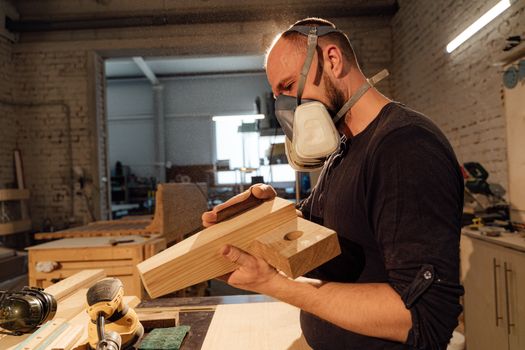
- Health Concerns: MDF contains formaldehyde, which can be released into the air as gas. Always work in well-ventilated areas and consider using a respirator when sanding or cutting.
- Limited Structural Strength: While MDF is great for flat surfaces, it lacks the structural integrity needed for items that require heavy support, such as shelves or tables without additional bracing.
Common Mistakes to Avoid When Working with MDF
Even with its many advantages, working with MDF can present challenges. Here are some common mistakes to avoid and troubleshooting tips to ensure a smoother crafting experience:
1. Skipping Sealing
Many DIYers neglect to seal the edges of MDF before painting or finishing. This can lead to absorption of moisture, causing the edges to swell.
Tip: Always seal the edges with primer or a specialized sealer designed for MDF to protect it from moisture.2. Using the Wrong Tools
Using dull blades or the wrong type of saw can result in rough edges or splintering when cutting MDF.
Tip: Use a fine-toothed blade specifically designed for cutting MDF and ensure your tools are sharp for cleaner cuts.3. Inadequate Ventilation
As mentioned earlier, MDF releases formaldehyde during cutting and sanding, which can be a health risk.
Tip: Always work in a well-ventilated space and wear a mask to minimize inhalation of dust particles.4. Overloading with Weight
Assuming that MDF can hold the same weight as solid wood is a common misconception. Overloading can lead to sagging or breakage.
Tip: Reinforce shelves or use thicker MDF when creating furniture that will bear weight, such as tables or shelving units.5. Rushing the Finishing Process
Many crafters make the mistake of rushing their finish, leading to an uneven or unsatisfactory appearance.
Tip: Take your time applying paint or veneer, allowing adequate drying time between coats for a professional-looking finish.Resource for Plans
If you are looking for detailed plans to get started with your MDF projects, Ted Woodworking offers a wide range of woodworking plans that can help guide your crafting journey.
Conclusion
MDF can be a fantastic material for DIY crafting, offering numerous benefits for home improvement projects. However, it is essential to be aware of its limitations and common pitfalls. By understanding the pros and cons of MDF and implementing the troubleshooting tips outlined in this article, you can create beautiful and functional pieces while avoiding the most common mistakes.
FAQs
- Is MDF suitable for outdoor use?
No, MDF is not recommended for outdoor use as it is highly susceptible to moisture and can warp or swell. - Can I paint MDF without priming?
It is advisable to prime MDF before painting to avoid moisture absorption and achieve a better finish. - What type of adhesive works best with MDF?
PVA glue or wood glue works well with MDF for most applications. For stronger bonds, consider using epoxy.
📚 Related Articles
🔨 Want 16,000+ Woodworking Plans?
Get instant access to step-by-step plans with blueprints and cut lists.
Get Instant Access →