Introduction
Repurposing old furniture can be a rewarding and sustainable approach to woodworking. Not only does it breathe new life into discarded pieces, but it also offers a unique opportunity to practice advanced woodworking techniques. In this article, we will explore how to transform old furniture into stunning DIY wood projects, focusing on joinery, precision, and achieving a professional finish.
Assessing Your Old Furniture
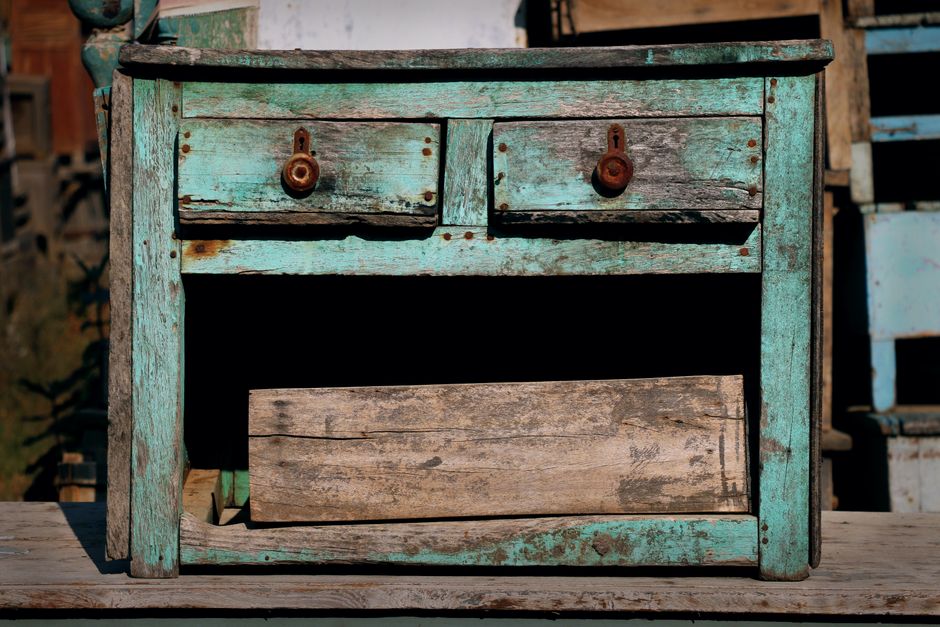
Before you begin your repurposing journey, it is crucial to assess the condition of the old furniture you intend to use. Look for:
- Structural Integrity: Ensure that the frame is solid and free from rot or significant damage.
- Wood Type: Identify the wood species, as this will impact your choice of finishes and joinery methods.
- Design Potential: Visualize how the piece can be transformed and what elements can be reused or modified.
Advanced Joinery Techniques
Joinery is the backbone of any woodworking project. When repurposing furniture, employing advanced joinery techniques can enhance the overall strength and aesthetic of your new creation. Here are some techniques to consider:
Dovetail Joints
Dovetail joints are known for their strength and visual appeal. They are commonly used in drawers and cabinets. To create dovetail joints:
- Mark out the tails and pins accurately on the wood.
- Use a chisel and saw to create clean cuts.
- Test fit the joint before applying glue.
Mortise and Tenon Joints
This classic joint is ideal for creating strong connections between legs and tabletops. To craft a mortise and tenon joint:
- Cut the tenon on one piece of wood, ensuring it fits snugly.
- Drill out the mortise on the corresponding piece.
- Use a mallet to assemble, securing with glue.
Rabbet Joints
Rabbet joints can be useful when creating frames or boxes. They allow for easy assembly and added strength. Here’s how to create a rabbet joint:
- Set your table saw or router to the correct depth.
- Make a clean cut along the edge of the board.
- Test fit with the adjoining piece to ensure a tight fit.
Achieving Precision in Your Cuts
Precision is key when repurposing old furniture. Here are some tips to ensure your cuts are accurate:
- Use a High-Quality Saw: Invest in a good table saw or miter saw to achieve clean cuts.
- Measure Twice, Cut Once: Always double-check your measurements before cutting.
- Use Guides: Implement straight edges or clamps to guide your saw for straight cuts.
Finishing Techniques for a Professional Look
The finish you choose can significantly impact the overall look of your project. Here are some advanced finishing techniques to consider:
Staining and Sealing
Staining can enhance the wood grain and add depth to your repurposed furniture. To stain effectively:
- Sand the surface to prepare it for stain absorption.
- Apply stain evenly with a brush or rag, wiping off excess.
- Seal with a clear coat for protection.
Paint Finishing Techniques
If you prefer a painted finish, consider these tips:
- Use a primer to ensure better paint adhesion.
- Apply multiple thin coats for an even finish.
- Sand between coats for a smooth surface.
Utilizing Resources for Your Projects
If you're looking for detailed plans and guidance, resources like Ted Woodworking can be invaluable. They offer a wealth of project plans that can help you navigate your repurposing journey, from cutting lists to assembly instructions.
Conclusion
Repurposing old furniture for your DIY wood projects not only helps the environment but also hones your woodworking skills. By focusing on advanced joinery techniques, precision cuts, and professional finishing, you can create beautiful, functional pieces that are uniquely yours. Embrace the challenge, and let your creativity shine!
FAQ
1. What types of old furniture are best for repurposing?
Look for solid wood pieces like dressers, chairs, or tables. Avoid particleboard or heavily damaged furniture.
2. How do I know if the wood is worth repurposing?
Check for structural integrity, wood type, and whether it has a classic design that can be adapted.
3. Can I use power tools for joinery techniques?
Yes, power tools can greatly enhance accuracy and efficiency in creating joints. Just ensure you follow safety guidelines.
📚 Related Articles
🔨 Want 16,000+ Woodworking Plans?
Get instant access to step-by-step plans with blueprints and cut lists.
Get Instant Access →