Introduction
Creating outdoor DIY wood projects is a rewarding endeavor that allows you to enhance your outdoor spaces with personalized touches. However, the right finish is crucial not only for aesthetics but also for longevity and protection against the elements. In 2023, with a plethora of options available, choosing the best finish for your outdoor projects requires an understanding of the materials and techniques that yield professional results.
Understanding Outdoor Conditions
Before diving into specific finishes, it’s essential to appreciate the environmental conditions that outdoor furniture must withstand. Factors such as:
- Moisture: Rain and humidity can lead to wood decay.
- UV Exposure: Sunlight can fade colors and weaken the wood fibers.
- Temperature Fluctuations: Extreme cold and heat can cause wood to expand and contract.
By acknowledging these elements, you can select a finish that provides robust protection while enhancing the wood's natural beauty.
Top Finishing Options for Outdoor Projects in 2023
In 2023, three primary categories of finishes dominate the outdoor woodworking scene: oil-based finishes, water-based finishes, and film finishes. Each offers unique advantages and considerations.
1. Oil-Based Finishes
Oil-based finishes, such as linseed oil or tung oil, penetrate deeply into the wood, providing excellent moisture resistance and a warm, natural appearance. They are ideal for projects that require flexibility and durability.
- Advantages:
- Deep penetration enhances wood grain visibility.
- Natural oils provide a rich, warm finish.
- Allows for easy reapplication without stripping.
- Disadvantages:
- Long drying times can delay project completion.
- Can become sticky in high humidity.
For optimal application, ensure that the wood is clean and dry. Apply with a lint-free cloth, allowing the oil to soak in before wiping off excess. Multiple coats may be necessary for maximum protection.
2. Water-Based Finishes
Water-based finishes have gained popularity due to their quick drying times and low odor. These finishes are known for their clarity and resistance to yellowing over time.
- Advantages:
- Fast drying allows for quicker project turnaround.
- Low VOCs make them safer for indoor application.
- Resistant to fading and yellowing.
- Disadvantages:
- Poor penetration compared to oil-based options.
- Can raise the grain of softer woods.
When applying a water-based finish, it’s advisable to sand the surface lightly between coats to ensure a smooth, professional look. Consider using a foam brush for even application.
3. Film Finishes
Film finishes, such as spar varnish or polyurethane, create a protective layer on the surface of the wood. These finishes are perfect for projects exposed to severe weather conditions.
- Advantages:
- Robust protection against moisture and UV rays.
- Durable and provides a glossy finish.
- Ideal for high-traffic outdoor furniture.
- Disadvantages:
- Can peel or chip if not applied correctly.
- Requires careful preparation and application.
For optimal results, apply film finishes with a high-quality brush, and ensure that the wood surface is smooth and clean. Multiple thin coats will result in a more durable finish than one thick coat.
Advanced Techniques for a Professional Finish
While selecting the right finish is crucial, the application technique can significantly impact the final outcome. Here are some advanced techniques to elevate your finishing game:
1. Surface Preparation
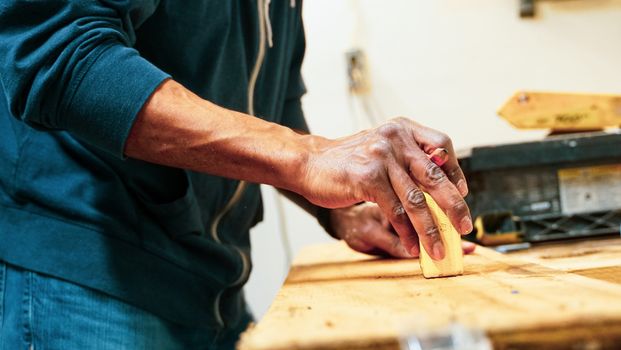
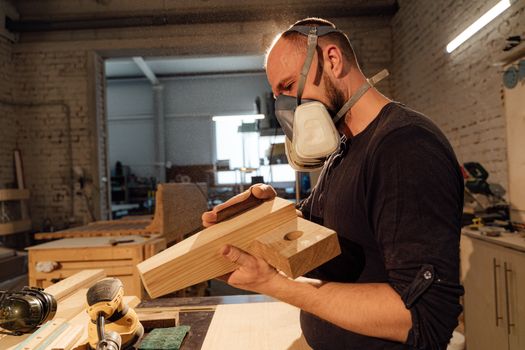
Proper surface preparation is the cornerstone of a great finish. Sanding the wood to a fine grit (220 or higher) ensures a smooth surface, and using a wood conditioner can help even out stain absorption.
2. Application Techniques
Utilizing a variety of application techniques can enhance the finish:
- Brushing: Use a high-quality brush for even application.
- Wiping: For oils, use a cloth to wipe on and off for a natural look.
- Spraying: A spray finish can achieve a smooth, even coating, especially for large surfaces.
3. Timing and Environment
Apply finishes in optimal conditions—ideally in moderate temperatures and low humidity. This will prevent issues like bubbling or uneven drying.
4. Regular Maintenance
Even the best finishes require maintenance. Regular cleaning and reapplication of the finish will keep your outdoor furniture looking fresh and protected. Inspect your projects annually and reapply finishes as needed to extend their life.
Resources for DIY Woodworking Plans
If you are looking for detailed woodworking plans that include finishing tips and techniques, consider exploring Ted Woodworking. Their extensive library offers a plethora of projects suited for all skill levels, ensuring you can build with precision and finish with finesse.
Conclusion
Selecting the best finish for outdoor DIY wood projects in 2023 requires careful consideration of both the environmental conditions and the specific characteristics of different finishes. By mastering advanced application techniques and maintaining your projects, you can enjoy beautiful, long-lasting outdoor furniture that withstands the test of time.
Frequently Asked Questions
1. How often should I reapply finish on my outdoor wood projects?
It depends on the type of finish and environmental conditions, but generally, reapplication every year or two is a good rule of thumb.
2. Can I use indoor finishes for outdoor projects?
No, indoor finishes lack the necessary UV protection and moisture resistance required for outdoor use.
3. What is the best way to clean outdoor wood furniture before refinishing?
Use a mild soap and water solution, and a soft brush to remove dirt. Allow it to dry completely before applying any new finish.
📚 Related Articles
🔨 Want 16,000+ Woodworking Plans?
Get instant access to step-by-step plans with blueprints and cut lists.
Get Instant Access →