Understanding Wood Finishes
Applying a wood finish to your DIY projects is crucial for enhancing beauty, durability, and protection. However, timing is everything when it comes to achieving the best results. Knowing when to apply wood finish can mean the difference between a project that looks professional and one that appears subpar.
Common Mistakes to Avoid
Many DIY enthusiasts make mistakes when it comes to applying wood finishes. Here are some of the most common pitfalls and how to avoid them:
- Applying Finish Too Soon: One of the most common mistakes is applying finish before the wood is adequately prepared. Wood must be sanded and free from dust to ensure proper adhesion.
- Ignoring Temperature and Humidity: The environmental conditions play a significant role in the finishing process. Applying finish in extreme temperatures or high humidity can lead to poor results.
- Using the Wrong Finish: Not all finishes are created equal. Understanding the type of wood and its intended use will help you choose the right finish.
- Skipping the Test Patch: Always test your finish on a scrap piece of the same wood. This will give you insight into how the final product will look.
When to Apply Wood Finish
Now that you know what to avoid, let’s explore the best times to apply wood finish to your projects.
1. After Proper Preparation
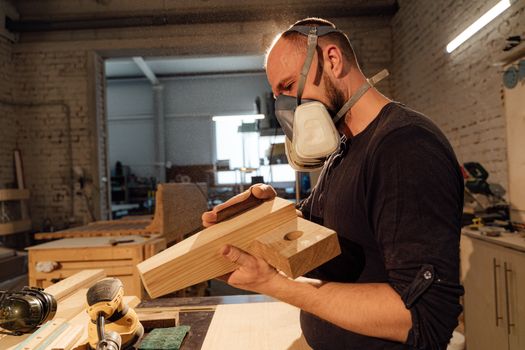
Before applying any finish, ensure your wood is properly sanded and dust-free. Use a vacuum or tack cloth to remove dust from the surface. The best time to apply finish is after thorough preparation, typically in a controlled environment.
2. Ideal Environmental Conditions
Wood finishes perform best when applied in moderate temperatures (around 70°F) and low humidity. If you’re working in a garage or shed, consider waiting for a day when the weather is stable. If the humidity is too high, the finish may not cure properly, leading to a sticky finish or bubbles.
3. Timing Between Coats
Most finishes require multiple coats for optimal protection. Always follow the manufacturer’s recommendations regarding drying times. Generally, you should wait at least 4-6 hours between coats, but this can vary greatly depending on the type of finish used.
4. During Controlled Environments
If you’re working in an area where you can control the temperature and humidity, you can apply finishes year-round. A heated garage or basement can be an excellent place for applying finishes during colder months.
Troubleshooting Common Issues
Even with the best intentions, issues can arise during the finishing process. Here are some troubleshooting tips to help you address common problems:
1. Tackiness
If your finish feels tacky after drying, it’s often due to high humidity or applying the finish too thickly. To remedy this, allow the piece to cure in a less humid environment. If the problem persists, you may need to lightly sand the tacky area and reapply a thinner coat.
2. Bubbling
Bubbles can form if the finish is applied too quickly or in hot conditions. To fix bubbling, let the finish dry completely, then sand the surface smooth and reapply the finish in more favorable conditions.
3. Uneven Color
If you notice uneven color after applying a finish, it’s likely due to not applying enough product or not mixing it thoroughly. To fix this, sand the area gently, then reapply the finish evenly. Always ensure you mix your finishes well before application.
Resources for Finishing Your Projects
If you're looking for comprehensive plans and tips for your woodworking projects, consider visiting Ted Woodworking. They offer a wealth of resources that can help you navigate through your DIY journey with expert guidance.
Final Thoughts
Applying a wood finish at the right time is essential for achieving the best results in your DIY projects. By avoiding common mistakes and understanding the right conditions for application, you can elevate the quality of your work. Remember, patience is key when finishing wood, and taking your time will yield beautiful results.
FAQ
1. How long should I wait before applying a second coat of finish?
Generally, you should wait at least 4-6 hours between coats, but check the manufacturer’s instructions for specific recommendations based on the type of finish.
2. Can I apply wood finish in cold weather?
It’s best to avoid applying finishes in cold weather as low temperatures can affect drying times and the overall finish quality. If necessary, work in a controlled environment.
3. What should I do if my finish is sticky?
Sticky finishes are often the result of high humidity or applying the finish too thickly. Allow it to cure in a less humid environment, or lightly sand the area and reapply a thinner coat.
📚 Related Articles
🔨 Want 16,000+ Woodworking Plans?
Get instant access to step-by-step plans with blueprints and cut lists.
Get Instant Access →