Introduction
When it comes to finishing wooden floors, the right choice can make a world of difference in both appearance and durability. Whether you're a seasoned woodworker or a DIY novice, understanding the best finishes for wooden floors will help you achieve the perfect look while protecting your investment. In this article, we will explore various finishing options, tools you need, and tips to ensure a successful project.
Types of Finishes for Wooden Floors
There are several types of finishes available for wooden floors, each with its own pros and cons. Here, we will cover the most popular options:
1. Polyurethane
Polyurethane is one of the most popular finishes for wooden floors due to its durability and ease of application.
- Pros: Highly resistant to scratches and water, available in oil-based and water-based formulas, dries quickly.
- Cons: Can yellow over time (especially oil-based), strong fumes during application, may require multiple coats.
2. Oil Finish
Oil finishes penetrate the wood and enhance its natural beauty while providing a warm, rich tone.
- Pros: Easy to apply, enhances wood grain, non-toxic options available.
- Cons: Requires regular maintenance, less durable than polyurethane, longer drying time.
3. Varnish
Varnish offers a tough finish that is resistant to moisture and wear, making it a suitable option for high-traffic areas.
- Pros: Very durable, available in various sheens, protects against UV rays.
- Cons: Can be challenging to apply evenly, longer drying times, may yellow over time.
4. Shellac
Shellac is a natural finish made from the secretions of the lac bug, offering a unique character to wooden floors.
- Pros: Quick drying, non-toxic, enhances wood color.
- Cons: Not water-resistant, less durable than other finishes, requires frequent reapplication.
Choosing the Right Finish for Your Project
When selecting a finish for your wooden floors, consider the following factors:
- Traffic Levels: For high-traffic areas, a durable finish like polyurethane or varnish is recommended.
- Appearance: If you want to showcase the natural beauty of the wood, consider an oil finish or shellac.
- Maintenance: Determine how much maintenance you are willing to perform. Oil finishes require more upkeep compared to synthetic options.
Essential Tools for Finishing Wooden Floors
To achieve the best results when finishing wooden floors, you will need the right tools. Here are some essential tools along with their pros and cons:
1. Floor Sander
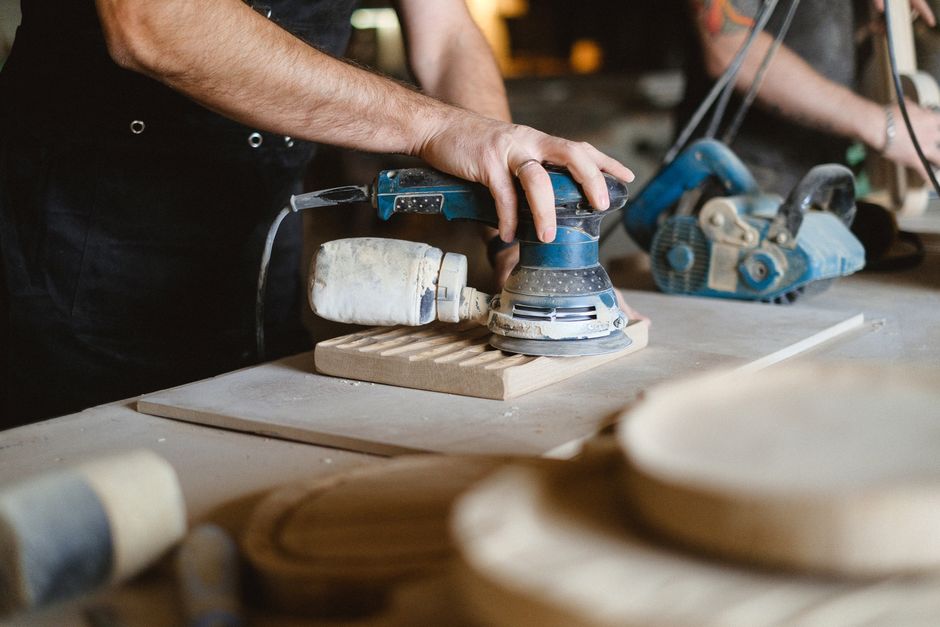
A floor sander is crucial for preparing the wooden surface before applying any finish.
- Pros: Efficiently removes old finishes, smoothens the wood surface.
- Cons: Can be expensive, requires careful handling to avoid damage.
2. Applicators (Brushes, Rollers, or Pads)
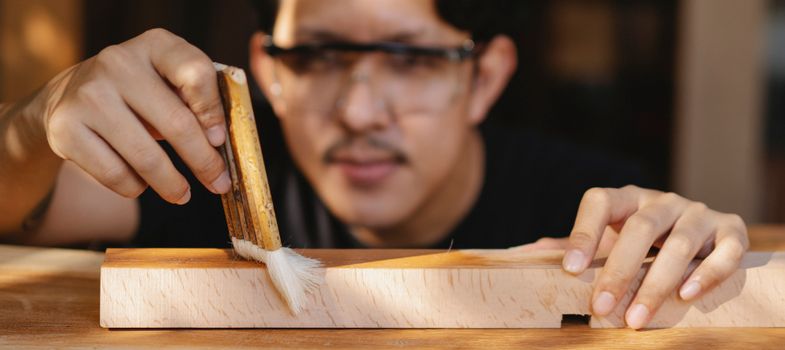
The choice of applicator affects the finish application. Each has its pros and cons.
- Brushes:
- Pros: Great for precision work and edges.
- Cons: Can leave brush strokes if not used carefully.
- Rollers:
- Pros: Quick application over large areas.
- Cons: Less control over edges and corners.
- Pads:
- Pros: Even application and less risk of streaks.
- Cons: May require more frequent replacement.
3. Vacuum and Tack Cloth
Proper cleaning is essential for a smooth finish.
- Pros: Removes dust and debris effectively.
- Cons: Must be used diligently to avoid dust settling on the finish.
4. Safety Gear
Always wear appropriate safety gear when finishing floors.
- Pros: Protects against fumes and dust.
- Cons: Some gear can be uncomfortable during long applications.
Resources for DIY Projects
If you're looking for detailed plans and guidance for your woodworking projects, consider checking out Ted Woodworking. This resource offers a vast collection of plans for various woodworking projects, including finishing techniques that can help you achieve professional results.
Conclusion
Ultimately, the best finish for your wooden floors in a DIY setting will depend on your specific needs, the type of wood, and your desired aesthetic. Each finish has its advantages and disadvantages. By carefully considering your options and using the right tools, you can achieve stunning results that will enhance the beauty and longevity of your wooden floors.
FAQ
1. How many coats of finish should I apply to my wooden floor?
Typically, you should apply at least two coats of finish for optimal protection, allowing adequate drying time between coats.
2. Can I use different finishes on the same floor?
It's generally not advisable as different finishes may react with each other. If you want to switch finishes, it's best to completely strip the old finish first.
3. How long does it take for the finish to dry?
Drying times vary depending on the type of finish used. Water-based finishes may dry in 2-4 hours, while oil-based finishes could take up to 24 hours or more.
📚 Related Articles
🔨 Want 16,000+ Woodworking Plans?
Get instant access to step-by-step plans with blueprints and cut lists.
Get Instant Access →