Introduction
Birch plywood is a popular choice among woodworkers for its durability, versatility, and aesthetic appeal. Whether you're building furniture or cabinetry, achieving a flawless finish on birch plywood can elevate your project from ordinary to extraordinary. In this article, we will explore advanced techniques for finishing birch plywood, focusing on precision, joinery, and professional results.
Understanding Birch Plywood
Before diving into finishing techniques, it's essential to understand the characteristics of birch plywood. Birch is known for its fine grain and light color, making it an excellent candidate for various finishes. However, its density can pose challenges if not approached correctly. Here are some key points to consider:
- Grain Structure: Birch plywood has a fine, uniform grain that can absorb finishes differently than solid wood.
- Surface Preparation: Proper sanding and preparation are crucial for achieving an even finish.
- Adhesives: The type of adhesive used in plywood can impact the way finishes adhere.
Advanced Techniques for Finishing Birch Plywood
1. Surface Preparation
The foundation of a great finish starts with thorough preparation. Here are the steps to ensure your birch plywood is ready for finishing:
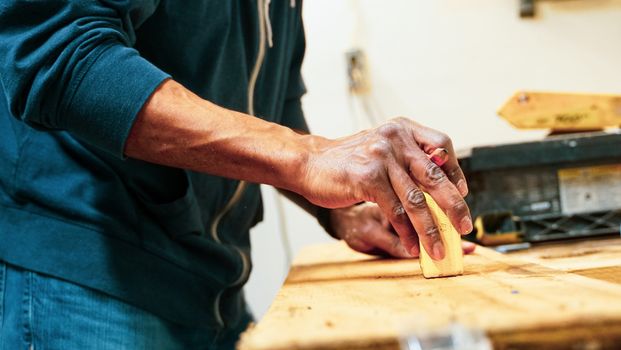
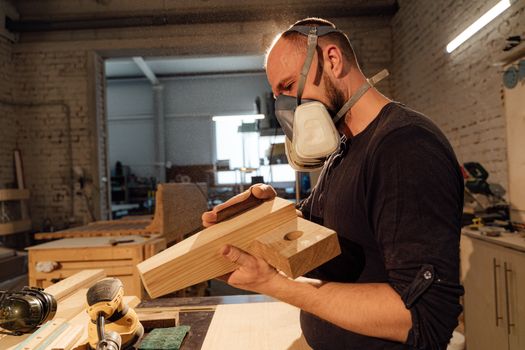
- Sanding: Begin with 120-grit sandpaper and work your way up to 220-grit. Always sand in the direction of the grain to avoid scratches.
- Sealing the Edges: Birch plywood edges are often more porous. Use a sanding sealer or a thin coat of finish to seal the edges before applying your final coat.
- Cleaning: After sanding, wipe down the surface with a tack cloth to remove any dust and debris.
2. Choosing the Right Finish
Choosing the right finish is crucial for enhancing the beauty of birch plywood. Here are some popular options:
- Oil Finishes: Tung oil or Danish oil penetrates well and enhances the natural grain.
- Varnish: A high-quality varnish provides durability and a protective layer that is ideal for furniture.
- Lacquer: Fast-drying and easy to apply, lacquer offers a smooth finish but requires proper ventilation.
3. Applying the Finish
How you apply the finish can significantly affect the outcome. Here are expert tips:
- Brush vs. Spray: Spraying often provides a smoother finish, but brushing can work well for small projects. Experiment to find what works best for your application.
- Thin Coats: Apply multiple thin coats rather than a single thick coat. This reduces the risk of runs and drips.
- Drying Time: Allow adequate drying time between coats. Refer to the manufacturer’s instructions for best results.
4. Sanding Between Coats
Sanding between coats is a professional technique that ensures a smooth, flawless finish. Here’s how to do it:
- Use Fine Grit Sandpaper: After the first coat has dried, lightly sand with 320-grit paper.
- Tack Cloth: Wipe the surface with a tack cloth to remove dust before applying the next coat.
5. Final Touches
Once you have applied your final coat, consider these finishing touches to enhance the professional look of your project:
- Polishing: Use a fine polishing compound to buff the surface for a rich sheen.
- Wax Finish: A layer of paste wax can add depth to the finish and protect the surface.
Joinery Considerations
When working with birch plywood, the joinery can impact both the structural integrity and the final appearance of your project. Here are some advanced joinery tips:
- Precision Cuts: Use a table saw or track saw for clean, accurate cuts that will minimize the need for excessive sanding.
- Biscuits or Dowels: Consider using biscuits or dowels for alignment and strength in your joints.
- Edge Banding: Finish exposed edges with matching veneer or edge banding for a seamless appearance.
Resources for Woodworkers
If you are looking for detailed plans and woodworking projects, Ted Woodworking offers a vast collection of resources to help you refine your skills and tackle new challenges.
Conclusion
Finishing birch plywood can be a rewarding experience when approached with the right techniques. By investing the time in proper preparation, selecting the appropriate finish, and paying attention to detail, you can achieve a professional-grade finish that showcases the beauty of birch plywood. Remember, practice makes perfect, and every project is an opportunity to learn and improve your skills.
FAQ
1. What is the best finish for birch plywood?
The best finish depends on the intended use, but oil finishes like tung oil or varnish are popular for their durability and aesthetic appeal.
2. How can I prevent blotching when finishing birch plywood?
Using a pre-stain conditioner can help prevent blotching and ensure a more consistent finish across the surface.
3. Is it necessary to sand between coats of finish?
Yes, sanding between coats helps to create a smoother finish and improves adhesion of subsequent layers.
📚 Related Articles
🔨 Want 16,000+ Woodworking Plans?
Get instant access to step-by-step plans with blueprints and cut lists.
Get Instant Access →