Can I Use Spray Finishes for Large Wood Projects? Pros and Cons
When it comes to finishing large wood projects, many woodworkers wonder if spray finishes are the right choice. The ease of application and quick drying times make them appealing, but they also come with their own set of challenges. In this article, we will explore the pros and cons of using spray finishes for large wood projects, along with common mistakes to avoid and troubleshooting tips to ensure a smooth finishing process.
Understanding Spray Finishes
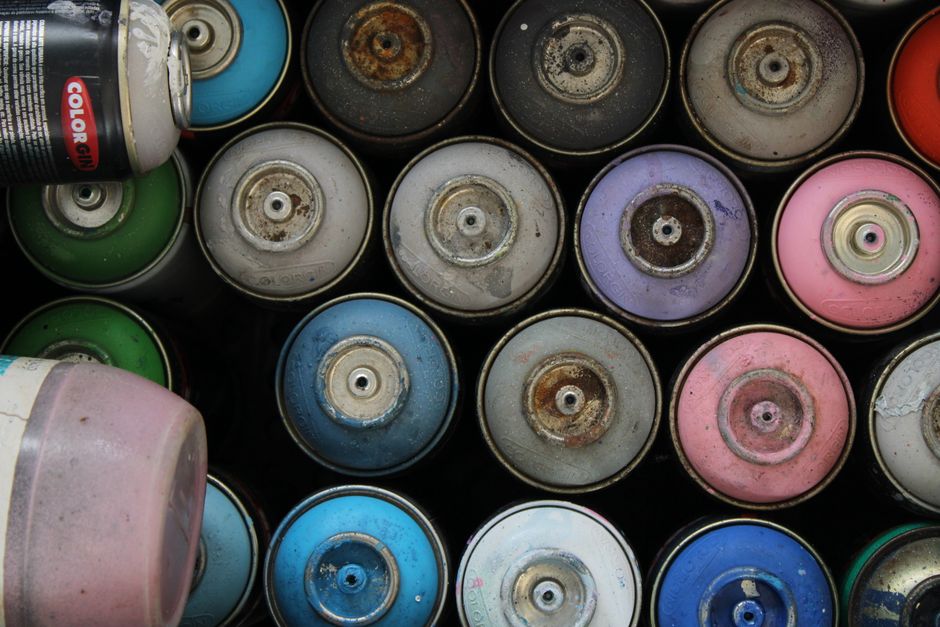
Spray finishes are liquid coatings that are applied using a spray gun or aerosol can. They can include lacquer, polyurethane, and shellac, among others. These finishes create a smooth, even coat that is often difficult to achieve with traditional brush-on methods. However, the technique requires some skill and care, especially when working on larger surfaces.
Pros of Using Spray Finishes
- Even Application: Spray finishes allow for a more uniform application, reducing the risk of brush strokes or roller marks.
- Quick Drying: Many spray finishes dry faster than traditional finishes, allowing for quicker project turnaround.
- Access to Hard-to-Reach Areas: Spraying can help ensure an even coat in intricate designs or hard-to-reach spots.
- Less Material Waste: Spraying can reduce excess material usage compared to brushing, as it can cover a larger area with less product.
Cons of Using Spray Finishes
- Overspray Issues: One of the biggest challenges with spray finishes is overspray, which can lead to finish on unintended areas.
- Equipment Setup: Setting up a spray system can be time-consuming and may require additional tools and supplies.
- Skill Level Required: Proper technique is crucial for achieving a quality finish, which can be a steep learning curve for beginners.
- Health Precautions: Spray finishes can release harmful fumes, necessitating proper ventilation and safety equipment.
Common Mistakes to Avoid
Even seasoned woodworkers can encounter issues when using spray finishes. Here are some common mistakes and how to avoid them:
1. Not Preparing the Surface Properly
One of the most critical steps in finishing is ensuring the wood surface is clean and smooth. Failing to sand and clean the surface can lead to a poor finish.
- Tip: Always sand the wood to the desired smoothness and wipe it down with a tack cloth to remove dust before applying any finish.
2. Ignoring Environmental Conditions
Temperature and humidity can significantly impact the drying and curing of spray finishes. High humidity can lead to longer drying times and potential finish defects.
- Tip: Aim to spray in controlled environments, ideally between 65-75°F (18-24°C) with low humidity.
3. Applying Too Thick of a Coat
New woodworkers often apply too thick a coat in an attempt to achieve full coverage in one go. This can lead to runs, sags, and uneven drying.
- Tip: Apply several thin coats, allowing each coat to dry as per the manufacturer's instructions before applying the next.
4. Failing to Test the Finish
Not testing the spray finish on a scrap piece of wood can lead to unexpected results on the final piece.
- Tip: Always test your spray finish on a similar wood scrap to evaluate the color and finish before applying it to your project.
Troubleshooting Tips and Fixes
Even with careful preparation and application, issues can arise. Here are some troubleshooting tips for common problems:
Problem: Runs and Sags
If you notice runs or sags in your finish, this often indicates too thick an application.
- Fix: Lightly sand the affected area once dry and apply another thin coat.
Problem: Dust and Debris in the Finish
Dust particles can settle into wet finishes, ruining an otherwise smooth surface.
- Fix: Sand the area lightly and reapply a thin coat of finish.
Problem: Uneven Color or Gloss
Inconsistent application can lead to areas that are shinier or darker than others.
- Fix: Apply a light mist coat over the entire surface to help blend the finish.
Conclusion
Using spray finishes for large wood projects can yield beautiful results when done correctly. By understanding the pros and cons and being mindful of common mistakes, you can achieve a professional-looking finish. For detailed plans and guidance, consider resources like Ted Woodworking, which offers a wealth of information for woodworkers at any level.
FAQ
- Q: Can I use a regular paint sprayer for finishing wood?
A: While you can, it's best to use a sprayer designed specifically for finishes to achieve the best results. - Q: How do I clean my spray equipment after use?
A: Clean your equipment immediately after use with the appropriate solvent for the finish you used. - Q: Can I mix different types of spray finishes?
A: Mixing finishes is generally not recommended as it can lead to adhesion issues and unpredictable results.
📚 Related Articles
🔨 Want 16,000+ Woodworking Plans?
Get instant access to step-by-step plans with blueprints and cut lists.
Get Instant Access →